Are vineyards actually green all year round in the Yarra Valley? That’s a question that keeps popping up – usually just after someone’s booked accommodation and before they start checking out the local wineries. I’m Paul Beames, a local who’s been roaming the Yarra Valley Wine Region for years – and here’s the straight answer: vineyards change with the seasons, and they absolutely should.
If you’re picturing endless rows of green vines year-round because that’s how it looks in photos, you’re in for a surprise. But if you understand how vines behave over a year, then every season makes sense – and every visit feels different, whether you’re exploring solo or rolling in with friends on a Wildlife Tours day out.
Contents
- 1 How This Winemaking Region Actually Works
- 2 Summer – That Lush Green Look All The Tourists Come For
- 3 Autumn: When Green Begins to Yield to Gold
- 4 Winter: Time for Rest and a Dose of Reality
- 5 Spring: New Life With a Side of Anxiety
- 6 What The Vines Look Like At A Glance
- 7 Why a Year-Round Green Would Be a Red Flag
- 8 And Why Soil Types Really Do Matter
- 9 More Than Just Vineyards
- 10 So, How Do You Plan Your Trip To Get What You Want?
- 11 The Last Word – From Our Travels
- 12 FAQ
How This Winemaking Region Actually Works
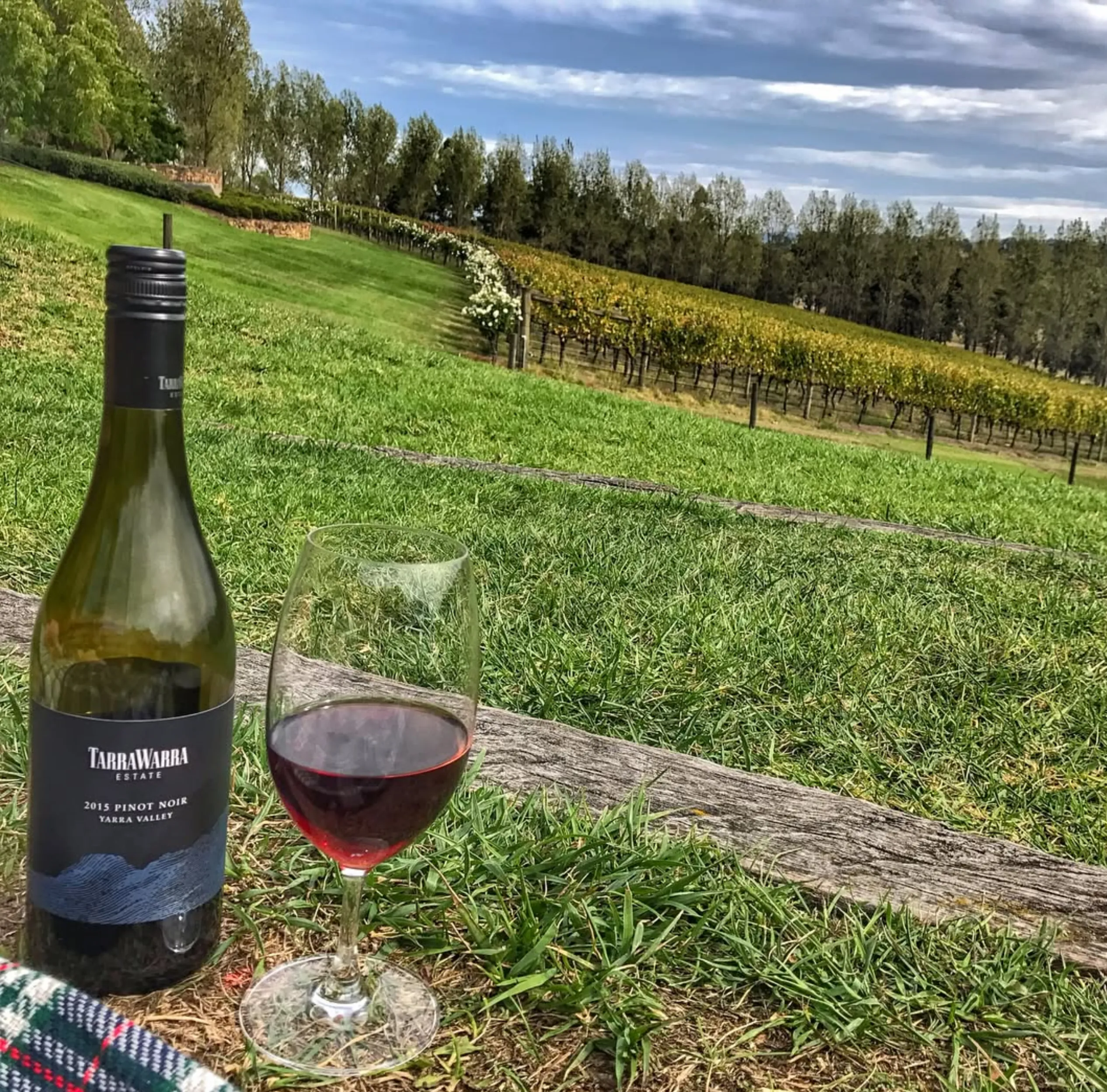
The Yarra Valley isn’t a theme park – it’s a working agricultural landscape shaped by climate, altitude, and soil types, and the vineyards reflect that reality.
The region stretches from Yarra Glen through the Yarra Ranges and up toward the Dandenong Ranges, covering everything from warm valley floors to cool upper slopes. Vineyards near the Yarra River behave very differently to those closer to Mount Dandenong or Mount Donna Buang, even if they’re only a short drive apart.
That’s why two people on the same winery tour Yarra Valley with Wildlife tours can walk away with completely different impressions of what the vines actually look like.
Summer – That Lush Green Look All The Tourists Come For
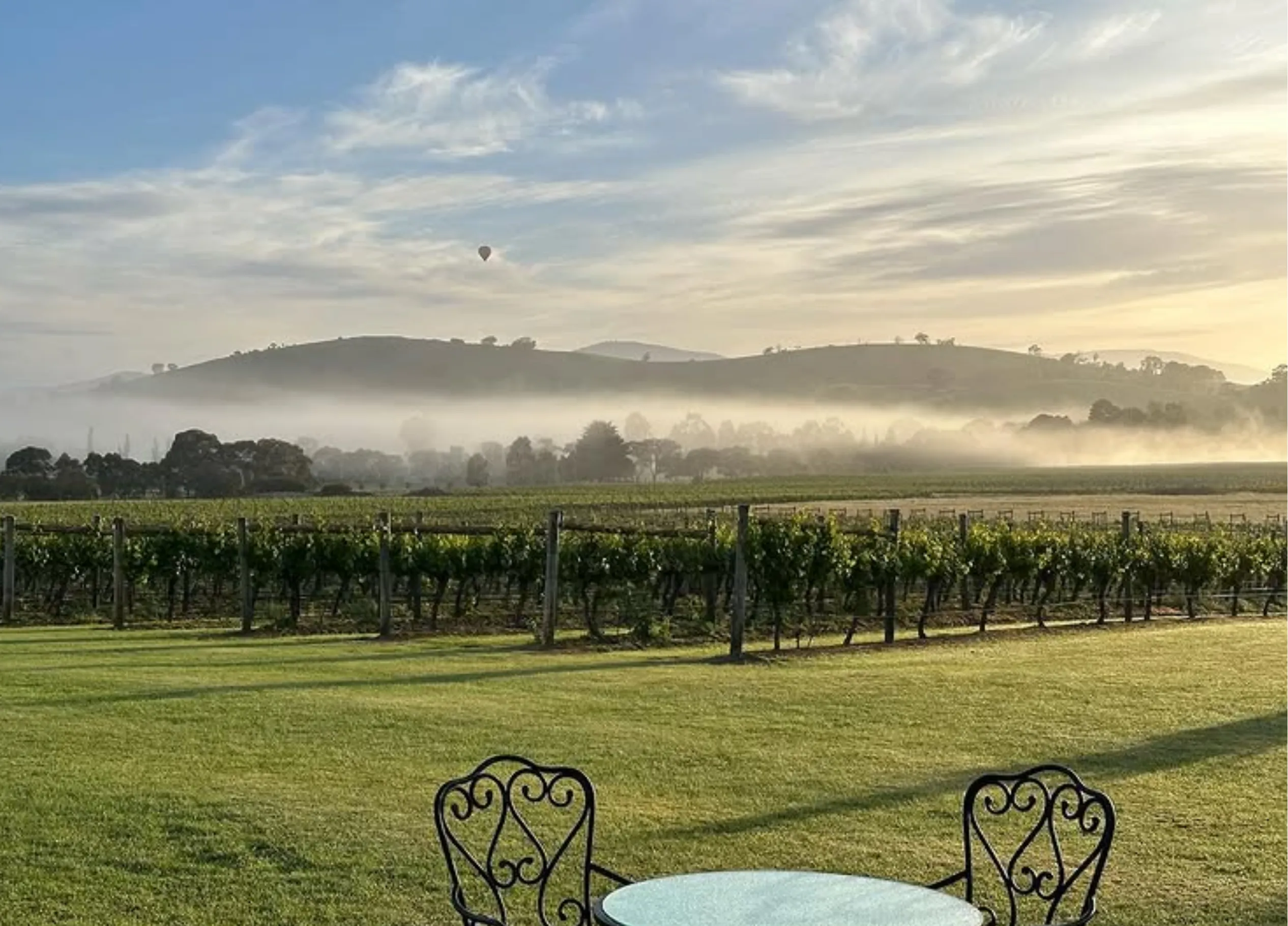
For many people, green vineyards feel non-negotiable – and summer is when you get that classic postcard look. From late November through February, the Valley delivers the full lush green canopy.
Across the region you’ll see:
- Dense leafy canopies shading ripening grapes
- Vineyard crews racing to manage growth
- Protective netting keeping birds off the fruit
This is prime season for Pinot Noir, Chardonnay, Sauvignon Blanc and Cabernet Sauvignon. Cool nights – even during summer heatwaves – help preserve acidity, which is key to the region’s cool-climate wine style. Drive the Melba Highway past Yering Station, Levantine Hill or Oakridge Wines in January and you’ll see those rolling green hills everyone talks about.
Autumn: When Green Begins to Yield to Gold
By March, the vineyards shift mood. As harvest kicks in, leaves turn from green to yellows, oranges and deep reds.
This is when:
- Fruit bins pile up outside cellar doors
- The smell of fermentation fills the air
- Vineyards look textured and painterly rather than lush
Autumn is a fantastic time to visit Yarra Yering, Coldstream Hills and De Bortoli Wines. Staff often have time for a real conversation about the vintage – how the weather shaped the crop and what made the year unique.
Autumn vineyards aren’t as green as summer, but they’re among the most photogenic of the year.
Winter: Time for Rest and a Dose of Reality
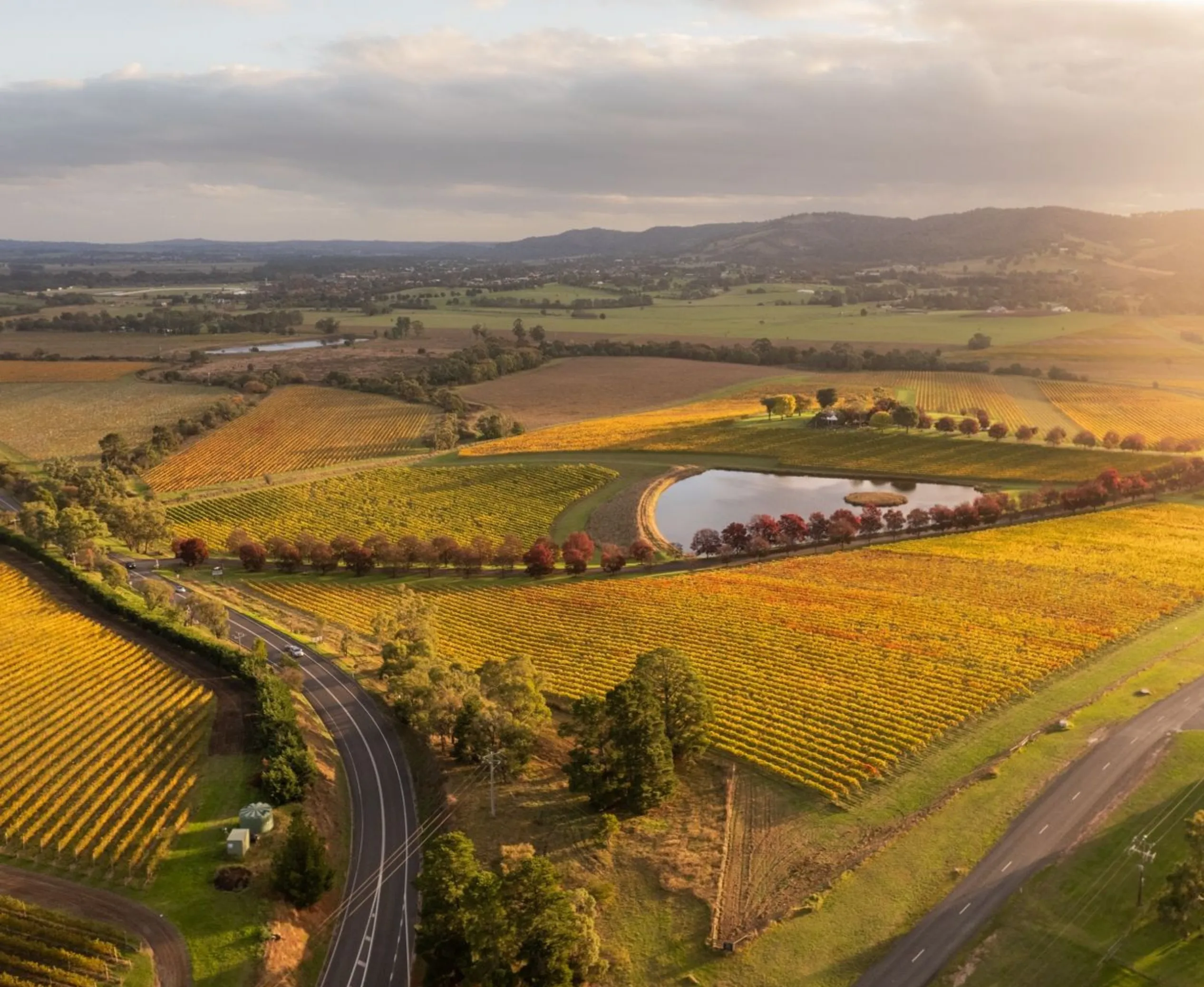
From June to August, the Valley takes on a much more subdued look. Vines drop their leaves and enter dormancy.
You’ll notice:
- Bare, woody vines with no foliage
- Morning fog and frosty paddocks
- Pruning crews preparing vines for the next season
Winter might look “dead” to some, but it’s an essential phase. Dormancy lets vines store energy, reset, and maintain long-term health. Without it, wine quality would drop fast.
A winter winery tour can be incredibly rewarding – fewer buses, more fireside tastings, and time to linger with a glass at places like Coombe Yarra Valley or Rob Dolan Wines.
Spring: New Life With a Side of Anxiety
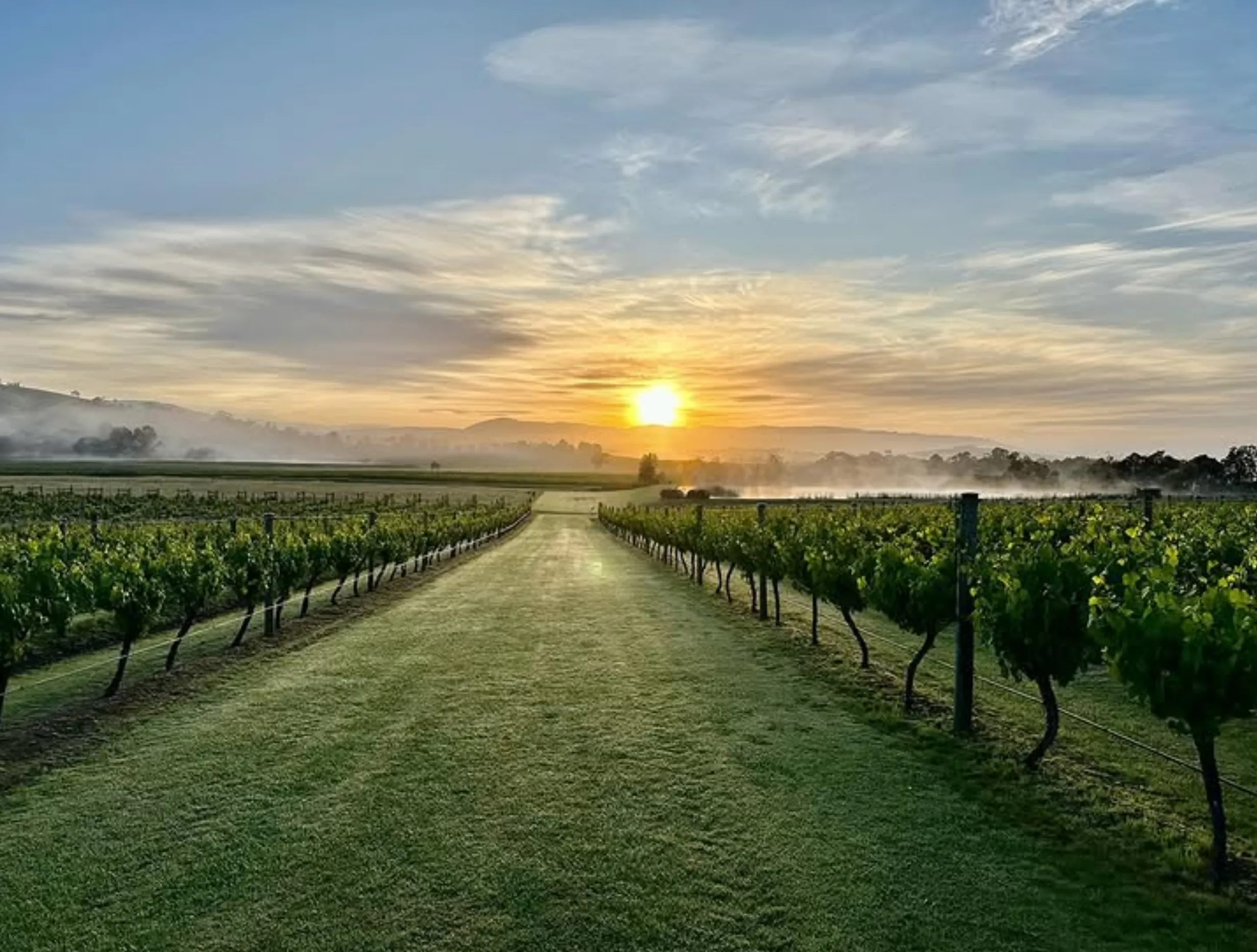
From September to November, vineyards slowly come back to life – and it’s a nervy period for growers. Budburst is beautiful, but the new shoots are fragile.
Spring usually means:
- Patchy early green growth
- Frost monitoring resumes
- Uneven growth depending on site warmth
Warmer areas like Yarra Glen tend to lead, while vineyards closer to the Dandenong Ranges lag behind. By late October, though, green fills in fast and the Valley looks alive again.
What The Vines Look Like At A Glance
| Time Of Year | Vineyard Appearance | Green Coverage | What It Signals |
| Summer | Full leafy canopies | High | Fruit ripening |
| Autumn | Mixed gold and red | Medium | Harvest underway |
| Winter | Bare wood | None | Dormancy and pruning |
| Spring | Fresh shoots | Low to rising | New growth |
Why a Year-Round Green Would Be a Red Flag
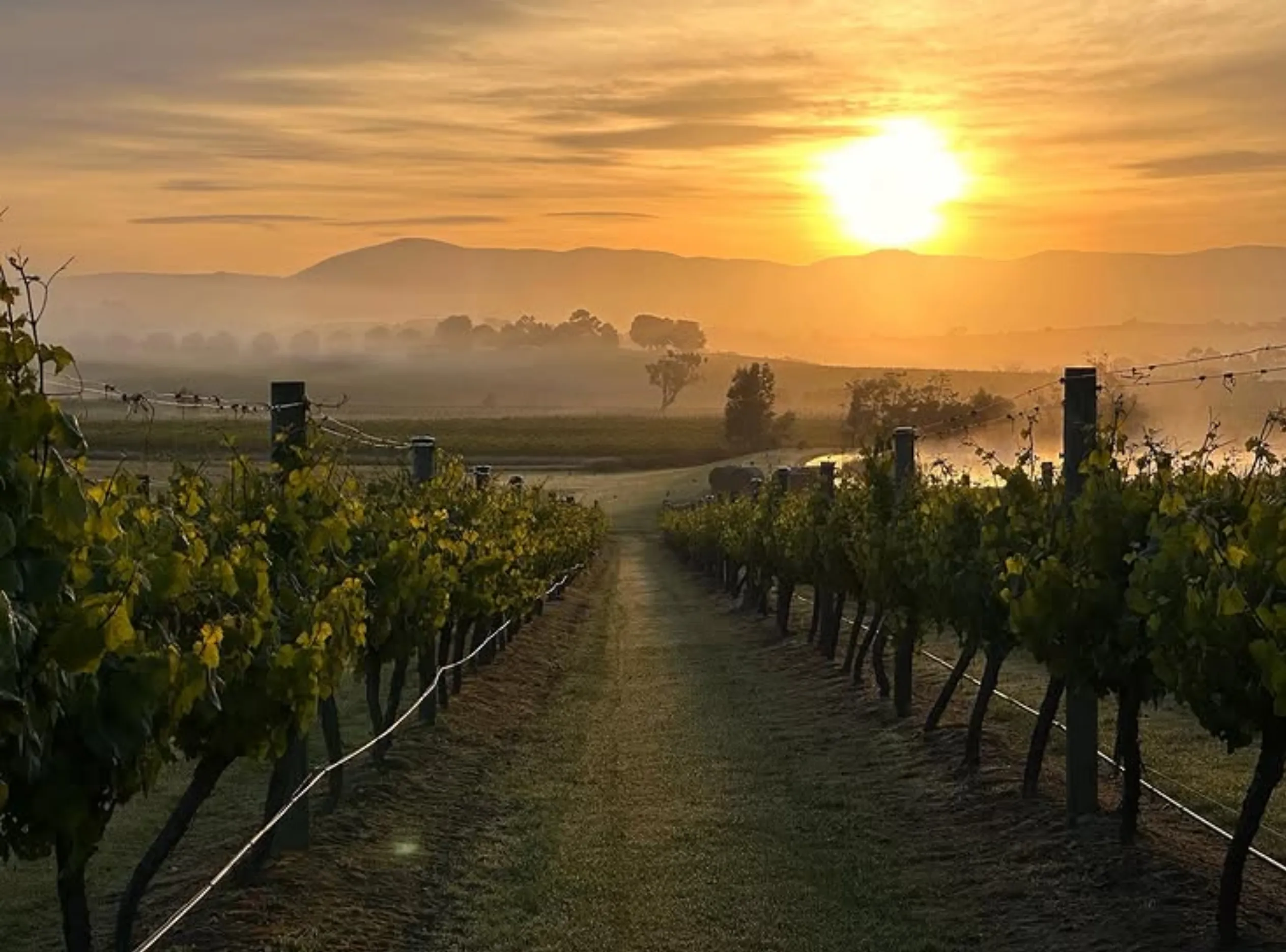
If vineyards never changed with the seasons, alarm bells would ring – especially in a cool-climate region like the Yarra Valley.
Dormancy is vital because it helps:
- Build strong root systems
- Keep yields balanced
- Maintain long-term vine health
This seasonal rhythm is exactly why the region excels at Pinot Noir, Chardonnay, and delicate sparkling wines – particularly at Domaine Chandon, where the team behind Moët & Chandon apply serious expertise.
Wine Australia data places the Yarra firmly in the cool-climate bracket, which helps explain its consistent performance in the Halliday Wine Companion year after year.
And Why Soil Types Really Do Matter
Vineyards don’t all shut down or come back to life at the same time. What’s under your feet makes all the difference.
As you drive through the Yarra Valley, you’ll see:
- Volcanic basalt on the higher slopes – where soils are poor, vines drop their leaves early and stay bare for longer
- Sandy loams on the valley floor – richer soils that keep vines green for longer
- Ancient marine sediments scattered through the region – a mixed bag, but some vineyards absolutely thrive on it
This is exactly why wine maps and regional guides can be a total game-changer – you need to know what you’re looking at and where to find it.
More Than Just Vineyards
Even when the vineyards aren’t looking their best, there’s still plenty to love about the Yarra Valley. Between tastings, you can easily stop by:
- Yarra Valley Dairy for some fresh local treats
- Yarra Valley Chocolaterie for another sweet fix
- Artisan food producers dotted along the Maroondah Highway and Warburton Highway
A little further east, you can explore the Redwood Forest and the historic Yarra Valley Railway corridor. European settlers left their mark here, but it’s the Indigenous connection to the land that really adds depth to the landscape.
So, How Do You Plan Your Trip To Get What You Want?
Your ideal visit depends entirely on what’s on your wish-list:
- Want lush greenery? Visit in January or February
- Want the harvest vibe? Late March or early April is ideal
- Want a quiet, low-key tasting? July or August is your best bet
- Want to see new vine growth? Late October does the trick
Wine quality stays high all year – it’s just the scenery that changes.
The Last Word – From Our Travels
Back to the original question: are vineyards in the Yarra Valley always lush green? The answer is a definite no – and that’s exactly why this region produces such beautifully aged wines.
Whether you’re sipping a single-vineyard Pinot Noir, enjoying a glass of sparkling on a deck, or moving between cellar doors with Wildlife Tours, you get far more out of the experience when you understand what the vines are doing. Plan your visit around the seasons, and you’ll be rewarded with top-notch wine.
FAQ
Do vineyards ever just leave their leaves on over winter?
No – a complete leaf drop is totally normal and healthy across the region. You’ll see it everywhere.
Is summer the only good time to visit?
Not at all. Many locals prefer winter and autumn for a more laid-back cellar door experience and deeper conversations.
When do the vines start coming back to life?
The first leaves usually appear in September, but it’s only from late October that growth really accelerates.
Does how the vineyards look affect the taste of the wine?
Not directly – but what’s happening in the vines affects fruit balance, and that’s what ultimately ends up in the glass.
Which wines are best suited to the Yarra Valley climate?
The region excels at Pinot Noir, Chardonnay, Sauvignon Blanc, Cabernet Sauvignon, and premium sparkling wines.