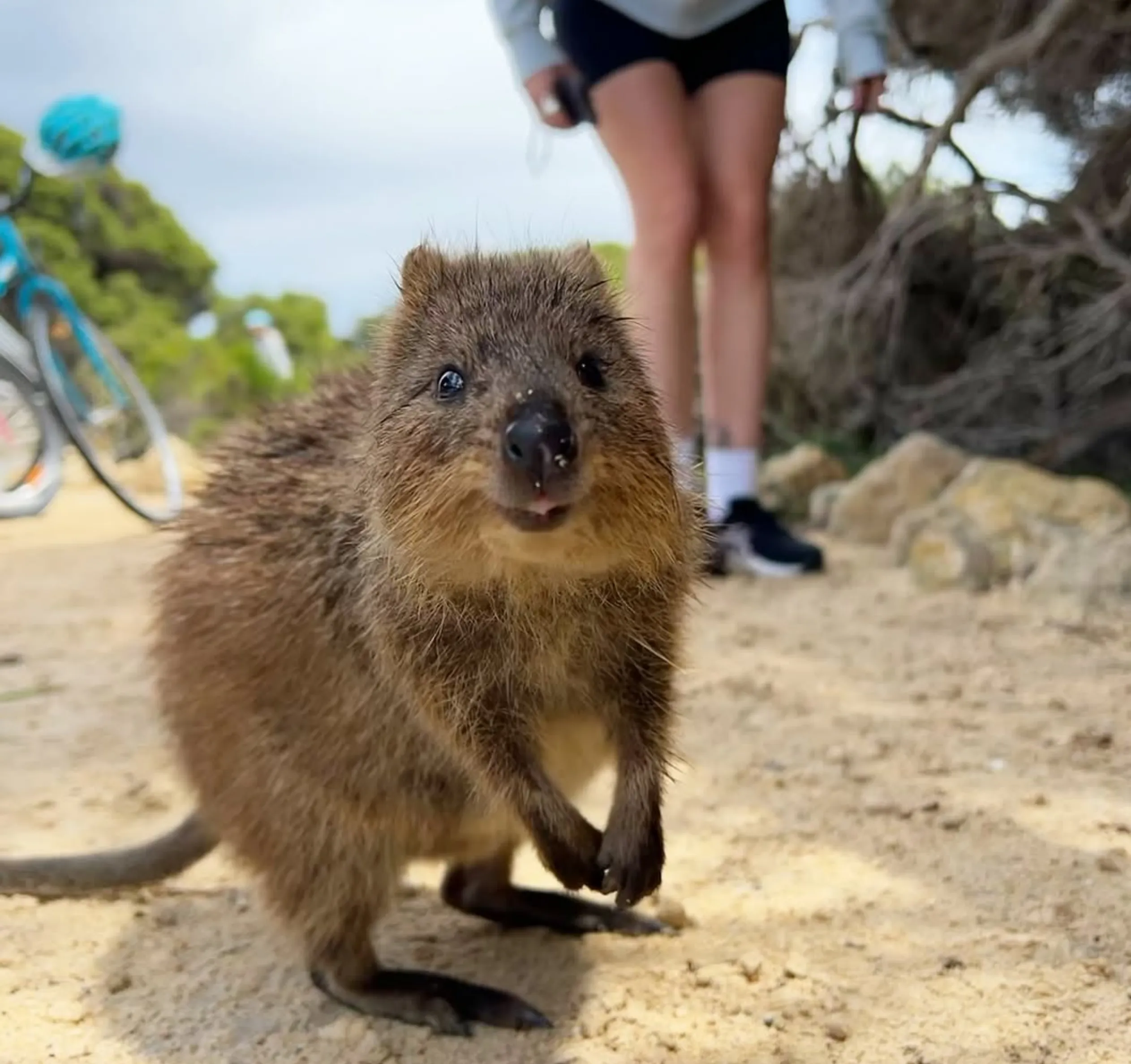
Where can you catch sight of those “smiling” quokkas in Western Australia? The answer is simply Rottnest Island – and I wouldn’t give you any other answer. Yes, there are a few other populations scattered about on the mainland, but if you want to reliably cross paths with these little guys without having to be lucky or know your bushcraft, then head to Rottnest.
I’m Paul, and I’ve carted heaps of travellers around Western Australia over the years – long enough to know that whatever itinerary I’ve put together, if Rottnest is part of it, the quokkas invariably make an appearance. Not because it’s some flashy gimmick, but because it works – every single time. You step off the ferry, wander a hundred metres or so, and suddenly there’s a quokka just hanging out, like it’s been waiting for you to show up all along.
Contents
- 1 Why Rottnest Makes Quokka Encounters Easy
- 2 Where to Expect to See Them
- 3 Getting Around The Island Easily
- 4 The Unappreciated Coastal Side of Rottnest Island
- 5 Getting to Rottnest without Wasting Half the Day
- 6 When the Weather is on Your Side
- 7 Getting The Quokka Shot Right
- 8 What Else You’ll Pick Up On
- 9 How This Fits Your Aussie Trip
- 10 A Chill Day Without the Rush
- 11 What To Bring So You Don’t Get Caught Out
- 12 Why Protecting Quokkas Matters
- 13 Don’t Overcomplicate It – Just Do Things Properly
- 14 FAQ
Why Rottnest Makes Quokka Encounters Easy
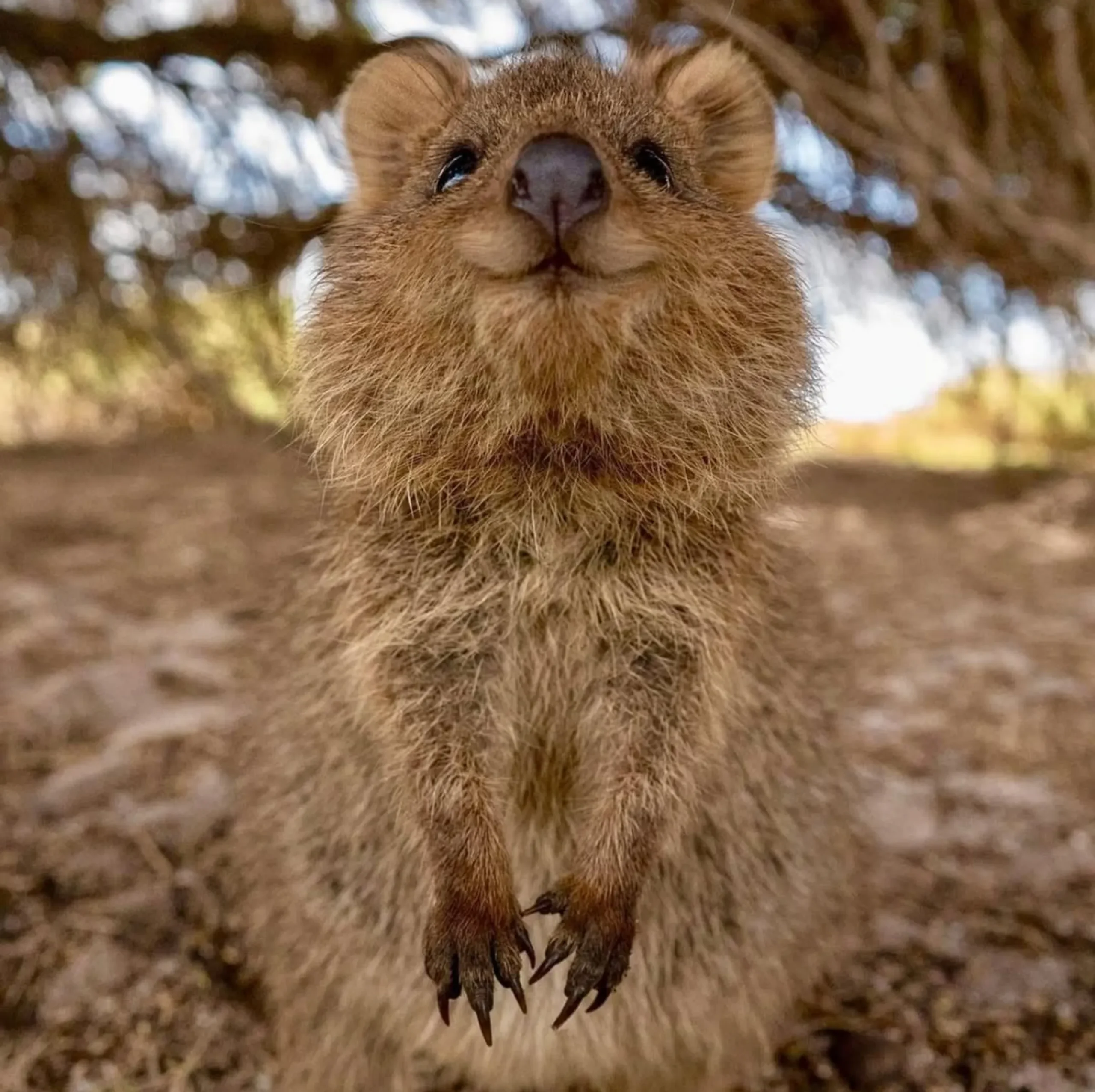
Rottnest Island – it’s not magic, it’s just got some good management going on. No foxes, limited development, and decades of careful conservation have made it a place where quokkas feel safe enough to just go about their day without bolting into the scrub.
That’s the difference between Rottnest and the mainland – where they are pretty shy and hard to spot. On Rotto, they are part of the fabric of the island.
You’ll notice straight away how natural it feels – there’s no element of chasing after wildlife, just sharing the space. That’s why operators like Wildlife Tours regularly include Rottnest in their WA itineraries – because it consistently delivers real encounters, not some staged event.
Where to Expect to See Them
You don’t need a map covered in pins to work out where to look for quokkas – they are all over the island. There are a few areas that are a bit more reliable, though, especially if you’re short on time or travelling in peak season.
The main settlement and Thomson Bay are good starting points. Early in the day, before the crowds build up, you should be able to spot them wandering about, grazing or just looking for some shade. If you’re a bit further away from the main drag, then Pinky Beach is a decent option – not just for a swim, but because quokkas tend to linger near the edges where the bush meets the sand. The inland tracks offer a different vibe altogether – where the encounters are less frequent but way more relaxed.
People always seem to make the same mistake – rushing about and missing out on the wildlife because they’re chasing the next spot. If you take it easy and just take your time, you’ll start to notice the quokkas right in front of you.
Getting Around The Island Easily
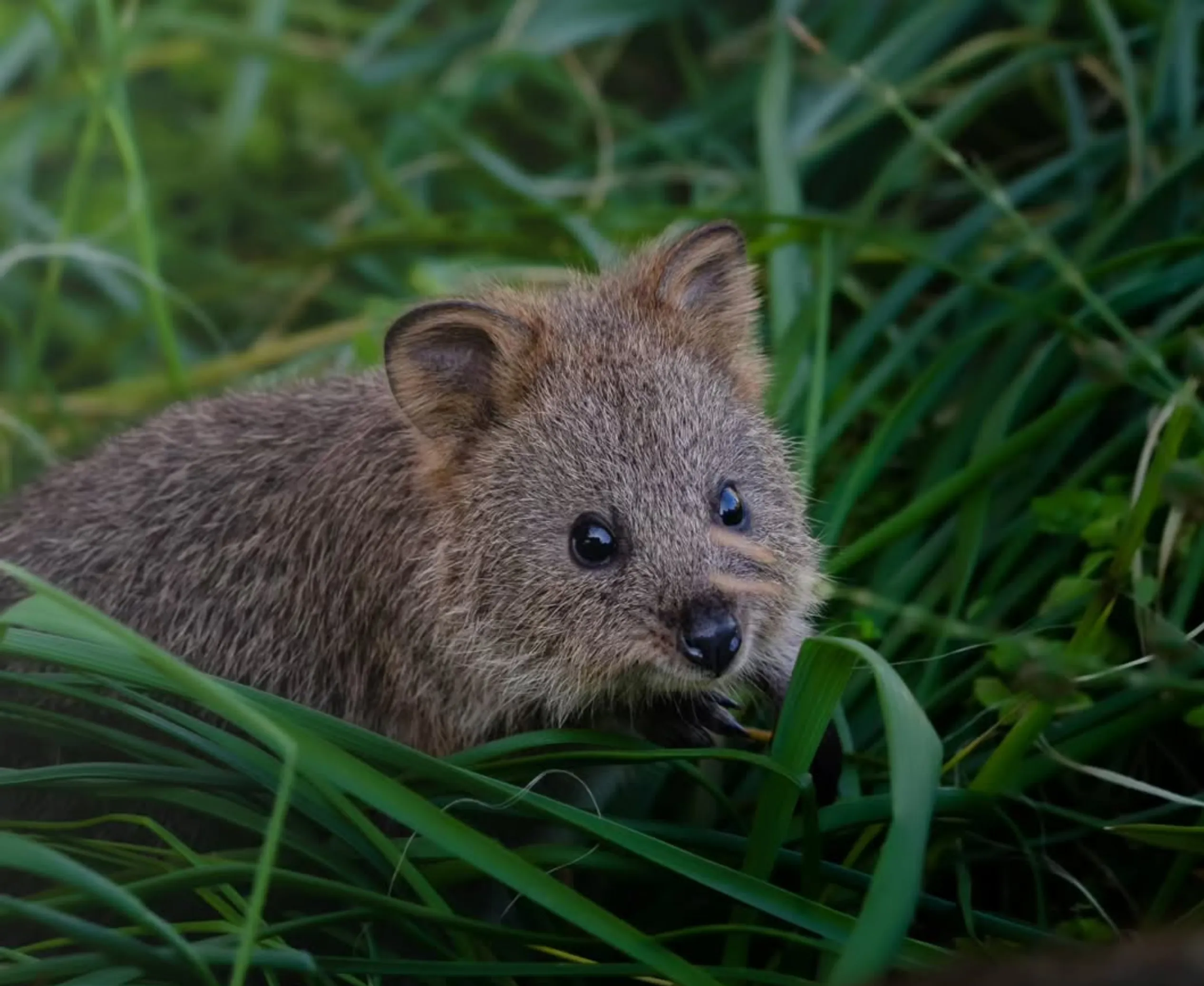
Rottnest Island is pretty simple to get around – no cars zooming past, no complicated road systems – just open space and a few coastal roads that loop around the island.
Most people grab a bike, and that’s a good call – the ride is pretty easy, and it gives you the freedom to stop whenever you see something that catches your eye. You’ll ride past stretches of coastline, the bush, and quiet spots where the crowds thin out.
There are organised options too if that’s your thing – some people go for a guided bike ride or a cruise-style experience, and that’s perfectly fine too. Either way, you don’t need to turn it into some kind of athletic challenge – just take it easy, stop often, and let the day just unfold.
The Unappreciated Coastal Side of Rottnest Island
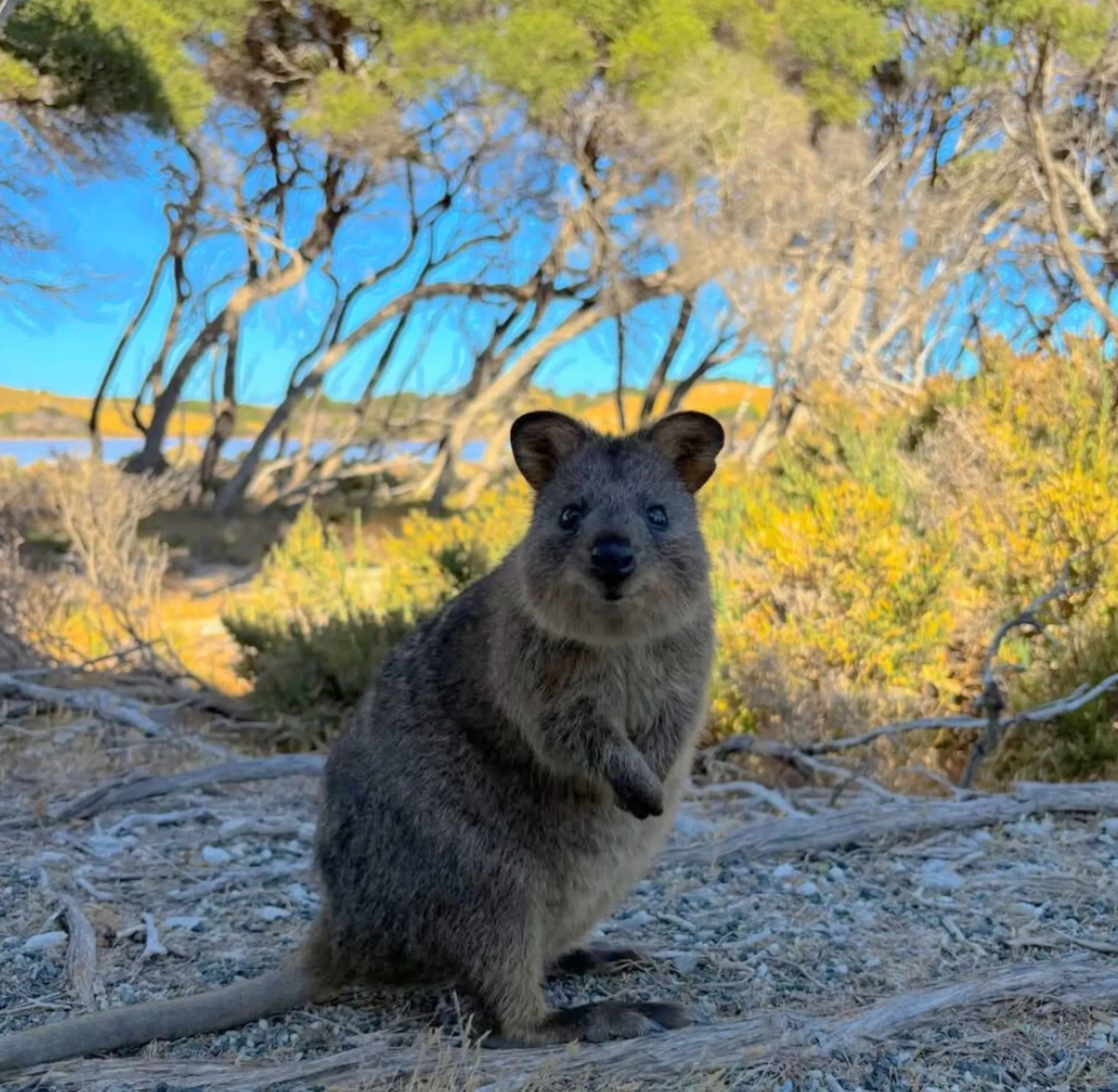
You can easily get caught up in all the quokka madness and forget that there’s a whole lot more to this island, which would be a shame. But honestly, the coastline here is pretty hard to beat.
Pinky Beach is definitely a top spot and for good reason – the water’s so calm, it’s super easy to get to, and you can actually sit back and relax there for a bit without feeling like you’re being rushed by everyone else. Head a bit further around, and you’ll stumble upon some real hidden gems – quiet bays with water that goes from a really deep blue to that unreal turquoise colour that people always compare to the Caribbean.
It’s not just there to look pretty, either; these are great spots to take a dip on a warm day.
Getting to Rottnest without Wasting Half the Day
Rottnest is basically just offshore from Perth, but you still need to plan your timing out pretty carefully – the ferries run regularly, but they fill up in no time during peak periods.
Most people set off from Fremantle – it’s the fastest way to get there and keeps things nice and simple. Services like Rottnest Express and SeaLink Rottnest handle the bulk of the traffic, with loads of departures throughout the day.
Fares vary depending on whether you’re visiting in peak or off-peak season, but you’re generally looking at somewhere between $80 and $130 AUD return. If you need to hire a bike, that’s your main expense taken care of.
One piece of advice I always give is – unless you’ve got the bookings sorted well in advance for school holidays or summer, you’re probably going to miss out because people assume there’ll be space. I’ve seen heaps of travellers who’ve done that.
When the Weather is on Your Side
Western Australia’s weather is a real force to be reckoned with – it either makes or breaks your day, to be honest. Get the timing right and everything just clicks. Get it wrong, and you’ll be spending half the day trying to stay out of the heat.
Summer can be just brutal – it’s busy, it’s hot, and by midday everything just slows down to a crawl – including the quokkas. Autumn and Spring are the sweet spots – the weather’s mild, the crowds are smaller, and the quokkas are always on the go.
Spring has another bonus – the wider region just comes alive with colour during the Wildflower Perth season, which makes combining a Rottnest trip with some mainland exploring a pretty good idea.
Whatever the season, early morning and late afternoon are when the island really comes alive.
Getting The Quokka Shot Right
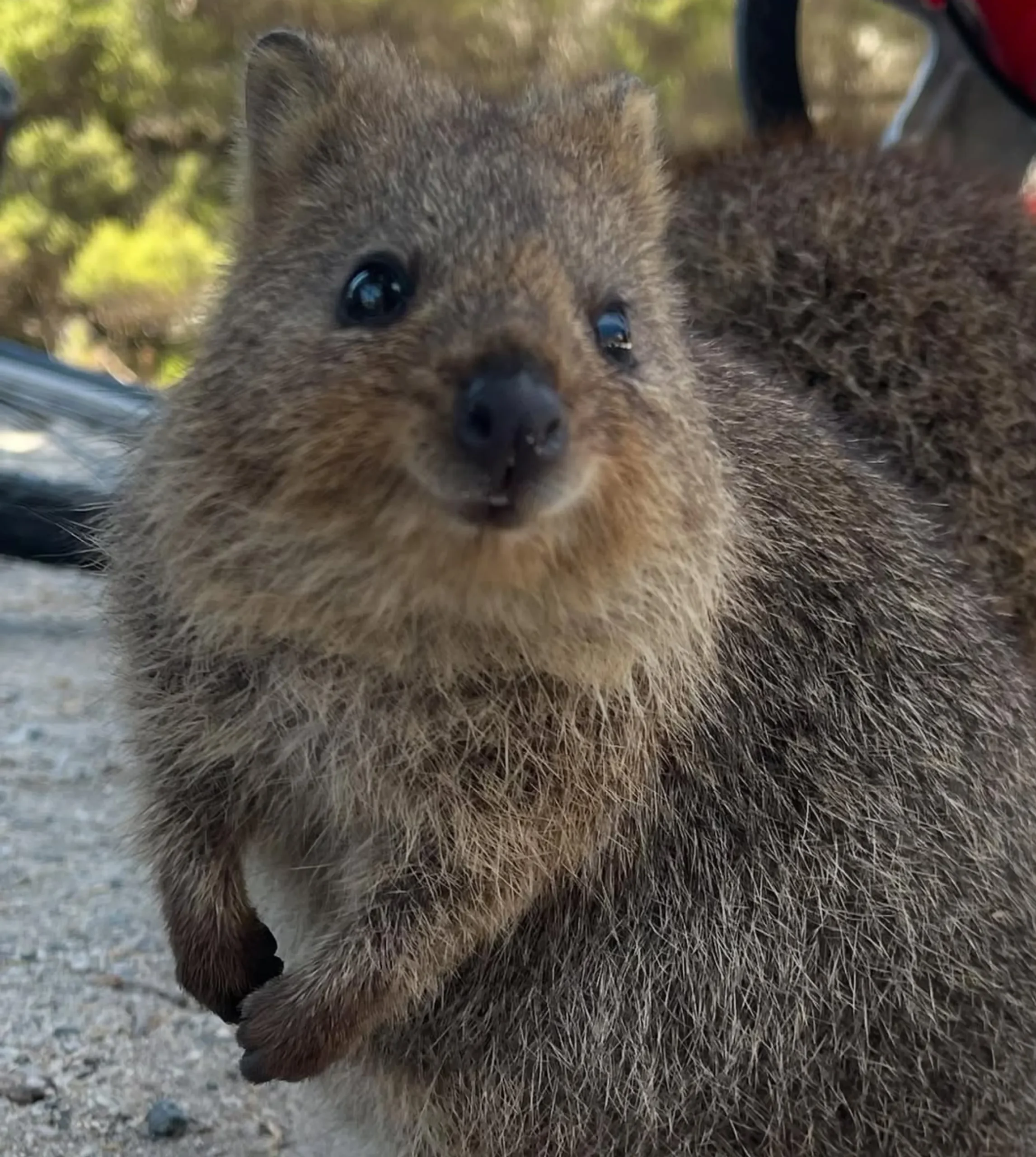
The quokka selfie has turned into a bit of a global fix – you can’t blame people for wanting one, either. They’re bloody adorable after all. But the difference between having a great experience and a terrible one comes down to approach.
You don’t chase after quokkas. You don’t feed them. And for goodness sake, don’t try to pick them up as if they’re some sort of prop.
Just sit down, stay still and wait.
Quokkas are naturally curious. Give ’em some space and time, and they’ll often wander over when they feel like it. And that, my friend, is when the photo feels real – not forced.
And yes, fines are a real thing if you ignore the rules. But more importantly, respecting wildlife is what keeps this place ticking the way it does.
What Else You’ll Pick Up On
Quokkas get all the attention, but Rottnest has a whole lot more going on if you actually pay attention.
Out on the rocks, you might just spot a New Zealand fur seal soaking up the sun. Always offshore, there’s always a chance of dolphins cruising by. And the birdlife is constant – you’ll see ospreys, seabirds and the occasional bird of prey swooping overhead.
It’s a good reminder that this isn’t just about the quokkas. It’s a functioning ecosystem, all thanks to some serious long-term conservation efforts, and that’s part of what makes it worth the visit.
How This Fits Your Aussie Trip
For many travellers, Rottnest isn’t a standalone trip – it’s part of a bigger journey across the country. It pairs well with other wildlife-focused experiences, especially if you’re already exploring Western Australia.
Some people put it together with coastal destinations like Ningaloo Reef, where you swap quokkas for whale sharks and coral – a nice little combo. Others come from the east coast after visiting places like the Great Barrier Reef or the Daintree River, looking for something a bit more low-key and accessible.
You’ll also see Rottnest included in those big Australia safari tours, where the focus is on experiencing wildlife in different environments without overcomplicating logistics.
A Chill Day Without the Rush
The best way to experience Rottnest is to have a pretty loose plan but keep it intentional.
Get in early while the island is still waking up. Spend some time hanging out in the settlement where the quokkas are most active. Once the sun’s warmed up a bit, head to the coast – Pinky Beach is good for a break and a swim.
As the day warms up, head farther out and take your time on the quieter tracks, where the crowds are smaller, and quokka encounters feel a bit more natural. And once the light starts to soften, head back to the main area for one last wander before you take off.
It’s not about ticking off a bunch of boxes – it’s about letting the day just unfold.
What To Bring So You Don’t Get Caught Out
Rottnest Island is a simple place, but don’t let that fool you – it’s still going to give you a good kicking if you don’t prepare properly. The sun reflects off everything – sand, water, limestone – and just slams it into you. You’ll be surprised at how hard it hits.
Bring lots of water – more than you think you’ll need – and don’t even think about coming without a decent hat if it’s the warmer months, or some decent sunscreen. Your feet will be angry with you if you don’t bring comfy shoes, especially if you’re going to be bouncing between tracks and beaches.
The rest of the essentials you can probably get by without – swimmers, snacks, maybe a portable charger – but at the end of the day, the water, hat and sunscreen are the things that’ll make or break your day.
Why Protecting Quokkas Matters
The truth is, quokkas are officially classified as vulnerable, and their populations on the mainland are in serious trouble due to habitat destruction and introduced predators. Rottnest Island, on the other hand, is a magical little refuge where they can live without constantly being under threat.
Now, this fragile balance between tourism and protection only works if people behave themselves. We should be producing travel content that’s rooted in real experience and is accurate, not overhyped nonsense. In simpler terms, just give people the information they need, don’t make it up, and try not to steer them into making rookie mistakes.
Don’t Overcomplicate It – Just Do Things Properly
If you’re here to chase quokkas, then keep things simple – Rottnest Island is the best place in Western Australia to see them, and you don’t need to overthink it.
But it’s not about getting a nice photo at the at the end of the day.
The real magic happens when you sit still for a bit, and a quokka wanders past you like it’s just part of the daily routine around here. That’s when it all starts to click.
FAQ
Can I go and give a quokka a hug?
No way – that’s not allowed, and you’ll catch a fine if you try it. You have to be happy with observing from a respectful distance.
Is Rottnest the only place in Western Australia where you can see quokkas?
No – they’re around in other places too, but they’re a lot more accessible from here.
What time of day do quokkas tend to be most active?
Early morning and late afternoon are when they tend to get up to most.
How long should I plan to spend on the island?
A day’s plenty for most people, but if you hang around overnight, it will be a lot quieter.
Do quokkas actually smile because they’re happy?
No – that’s just a bit of a myth. Their smiley face is actually just how their face is shaped – not down to any emotional expression.