stemming from a mix of reduced facial expression, muscular tension, restricted fascia, and, in some cases, overdoing “Can buccal massage fix my ‘frozen face’ look?” is a question that gets dropped in conversation more often than you’d think – usually in hushed tones after someone’s had a bit of a tweakment mishap, or because they feel like their face has just lost all its natural movement. At The Facial Hub, we hear this kind of concern all the time, and deal with it in a gentle, honest and judgement-free way.
I’m Sevine Forster, and after nearly two decades’ worth of experience in skin therapy – from London’s Mayfair to Brisbane’s humid climate – I can tell you that the “frozen” look is often a lot more complex than just overdone injectables. It’s about the state of your facial muscles, lymphatic flow, stress and how your face is coping with everyday life. Buccal massage can help, but it’s not a magic fix and not a replacement for everything.
So let’s crack this open properly.
Contents
- 1 What’s Really Causing That Stiff, Expressionless Look
- 2 How This Treatment Works Beneath The Surface
- 3 Common Triggers That Limit Facial Movement
- 4 Where This Approach Can Make A Noticeable Difference
- 5 What You Can Expect From Consistent Sessions
- 6 Treatment Progression And Results Over Time
- 7 How It Fits Alongside Other Aesthetic Treatments
- 8 Why Brisbane Conditions Change How Your Face Behaves
- 9 Safety Standards And Professional Care Matter
- 10 A Real Client Story From The Treatment Room
- 11 The Shift Towards Natural Movement In 2026
- 12 Who This Treatment Is Best Suited For
- 13 Final Thoughts — Is It Worth Trying?
- 14 FAQ
What’s Really Causing That Stiff, Expressionless Look
Before we even start talking solutions, we need to figure out what’s actually going on in the mirror. Because “frozen” isn’t always what you think it is.
In the clinic at The Facial Hub, I see this look stemming from a mix of reduced facial expression, muscular tension, restricted fascia, and, in some cases, overdoing aesthetic treatments. It’s worth noting that 2026 aesthetic trend reports (Global Aesthetic Market Insights, 2025) say that over 42% of clients now come to us because they want their face to look more natural and relaxed after being treated with injectables. I.e. Ie for decades, they don’t want stiffness anymore; they want their face back with good muscle balance, natural symmetry, and easy movement.
How This Treatment Works Beneath The Surface
This isn’t just some fad – it’s a pretty precise massage technique rooted in anatomy and hands-on experience.
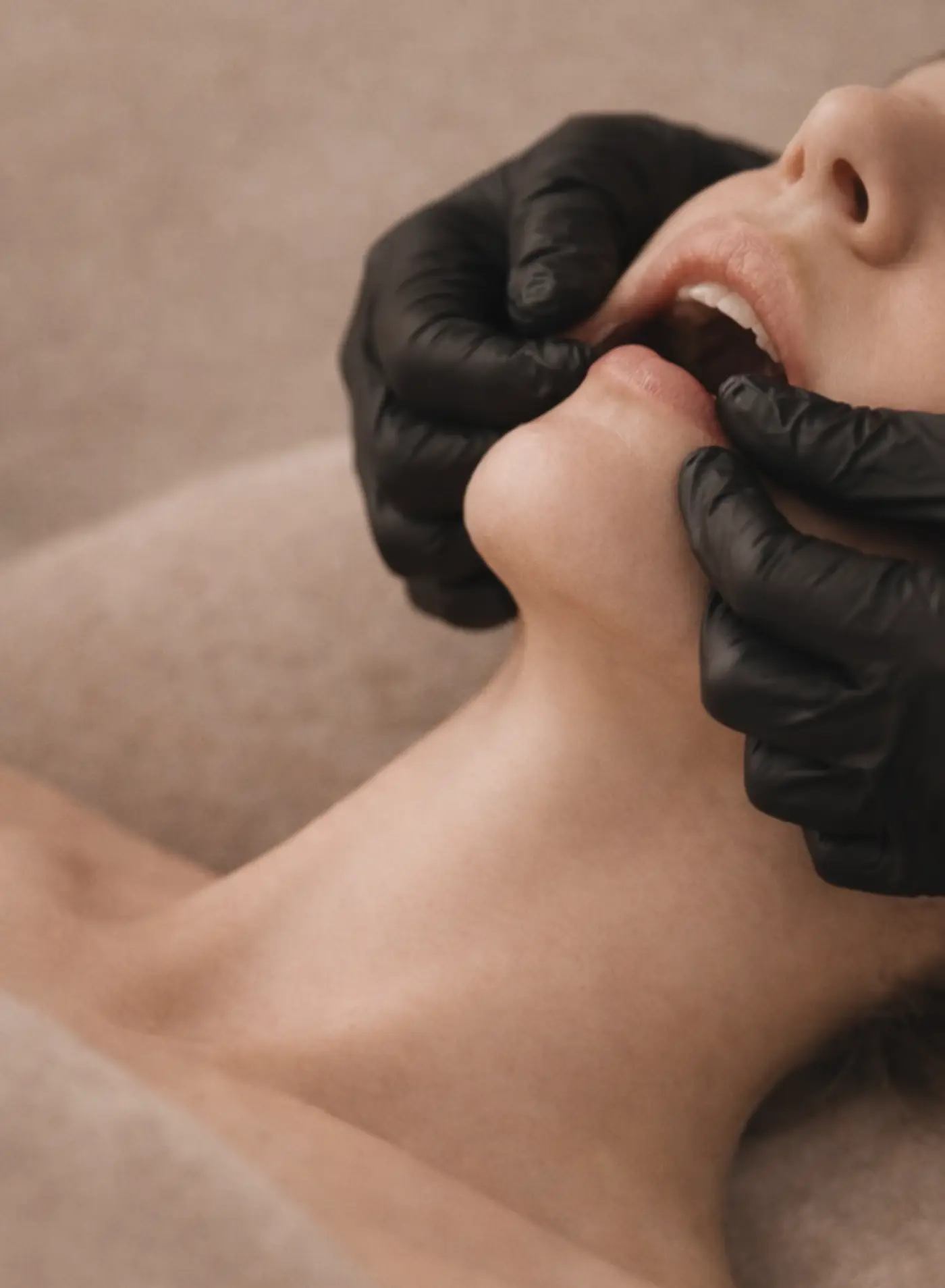
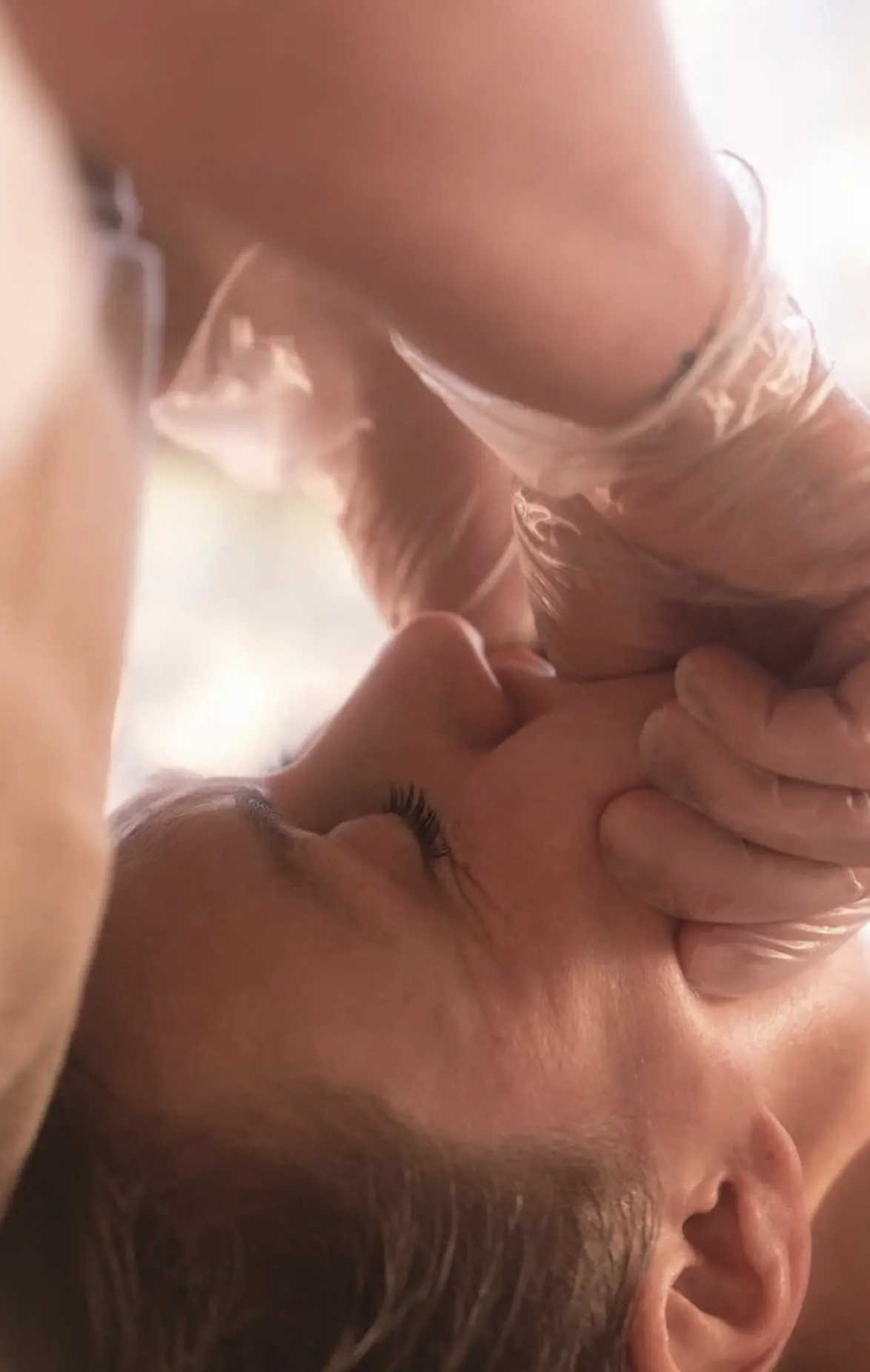
Buccal massage is a bit of an unusual combination of intraoral massage (that’s a massage that takes place inside the mouth) and some external facial massage – we work inside the buccal cavity to release those deep structures like the masseter muscle and buccinator muscles, as well as the areas linked to the temporomandibular joint. That’s why buccal facial massage in Brisbane has become so popular – it gets at the deep-seated patterns of tension that standard facials just can’t reach.
In the clinic, I see a real shift – not just in how the face looks, but how it feels. Blood circulation starts to pick up, the lymphatic system gets a boost, and the nervous system starts to settle – particularly the parasympathetic system, which is all about repair and recovery.
Common Triggers That Limit Facial Movement
Let’s set the record straight – it’s not always just fillers and Botox that’s the problem.
In Brisbane, I’ve seen these common causes of facial restriction time and again:
Muscle Tension And Jaw Clenching
Stress can cause your masseter muscle and jaw joint to get seriously knotted, leading to pain, headaches and facial expressions that just aren’t as free and easy as you’d like them to be.
Lymphatic Congestion
Diet, humidity, and hormonal imbalances – all these can slow down your lymphatic system and leave you looking puffy and congested.
Reduced Circulation
Poor blood flow and circulation can really take a toll on your skin – collagen, fibroblasts – the whole shebang.
Nervous System Overload
When you’re stuck in stress mode, your parasympathetic nervous system is basically MIA, which means your muscles get tight and your facial expression goes out the window.
Where This Approach Can Make A Noticeable Difference
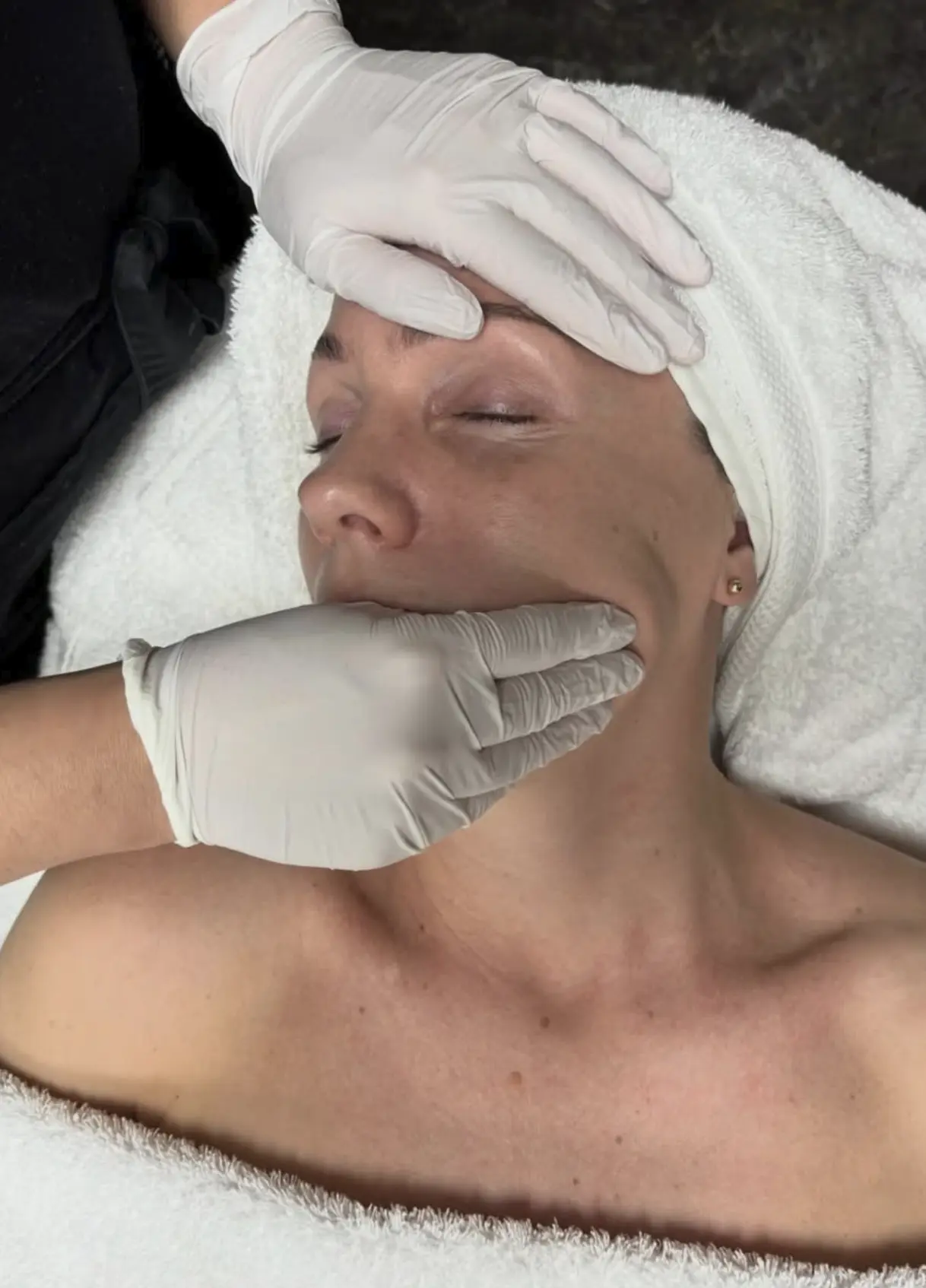
This treatment isn’t about replacing medical procedures like masseter injections, but it can really do some heavy lifting in supporting your body’s natural function.
Here’s how I explain it to my clients at The Facial Hub:
- If it’s mostly about tensed up muscles, then yeah, we’re looking at some superb results.
- If it’s all about fluid retention, then you can expect to see some serious de-puffing and contouring.
- If it’s about fixating on certain areas due to fillers or injections, then we can work with your body to improve the harmony and natural movement.
Loads of clients come to me for buccal facial massage in Brisbane because they want to soften their look, not drastically change it – and that’s where this approach really shines.
What You Can Expect From Consistent Sessions
Okay, let’s get real for a second – because some of the beauty marketing out there is just plain out of whack.
After 1 Session
- You’ll start to feel your jaw relax a bit
- You’ll notice improved blood flow
- And yeah, there might even be a bit of a subtle lift in your cheek area
After 3-6 Sessions
- Your facial symmetry will start to improve
- Areas like your nasolabial folds will start to look softer
- And you might find that your facial expressions are a bit freer and easier to make
Long-Term (Maintenance – because you’ll want to keep it up!)
- Your skin will start to look and feel more elastic
- Your facial muscles will start to relax and release, and you might even notice a reduction in facial puffiness
- And basically, your body will just get better at supporting its own lymphatic system.
Treatment Progression And Results Over Time
| Stage | What Happens | How You’ll Feel |
|---|---|---|
| First Session | Muscle release + lymphatic drainage | Relief, lightness |
| Week 2–3 | Improved blood circulation + lymphatic flow | Softer, more expressive |
| 4–6 Weeks | Muscle memory reset + fascia release | Natural movement returns |
| Ongoing | Maintenance + facial sculpting | Balanced, lifted look |
From experience at The Facial Hub, consistency matters more than intensity. One aggressive session won’t undo long-term jaw disorders or chronic tension patterns.
How It Fits Alongside Other Aesthetic Treatments
There’s a bit of misinformation floating around online, and I want to set the record straight.
Think about this treatment as:
- Something that fits nicely alongside other therapies to look and feel your best.
- A way to get your muscles working better and your face moving more naturally.
- A tool that can help keep your skin healthy and functioning properly in the long term.
At The Facial Hub, we’re all about combining different approaches in a way that looks and feels natural.
Why Brisbane Conditions Change How Your Face Behaves
Living in Brisbane has its own set of challenges for your skin and face.
The humidity can lead to puffiness and fluid retention, making your lymphatic system work harder. And in the sun here, you’re dealing with strong UV rays that impact collagen production and skin elasticity. Add stress to the mix, and your nervous system can get stuck in a bit of a rut, making tension patterns even worse.
This is where supporting your lymph system, improving blood flow, and calming down your parasympathetic nervous system becomes really important – and that’s exactly what this treatment helps with.
Safety Standards And Professional Care Matter
Don’t even think about trying to shortcut things when it comes to this treatment.
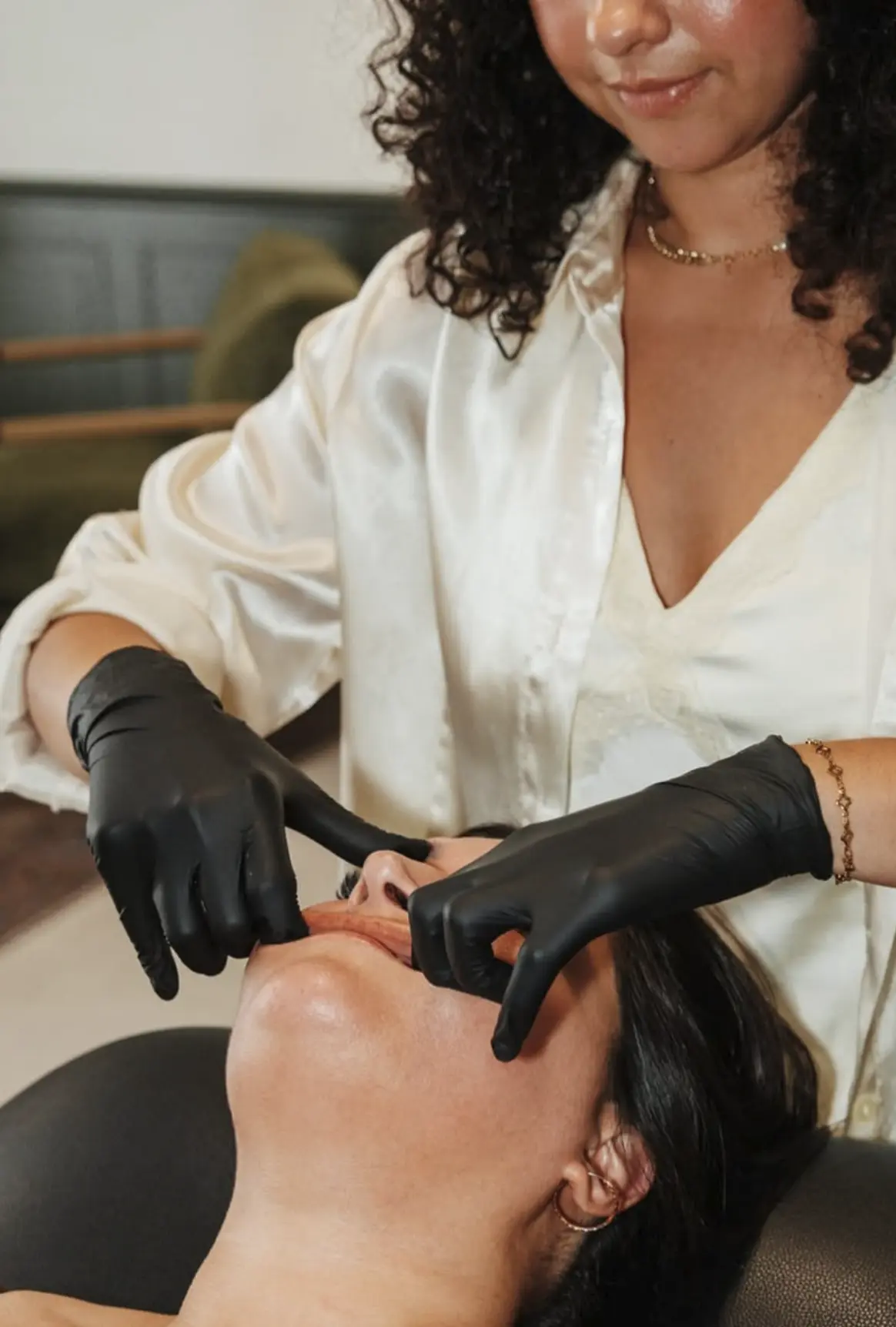
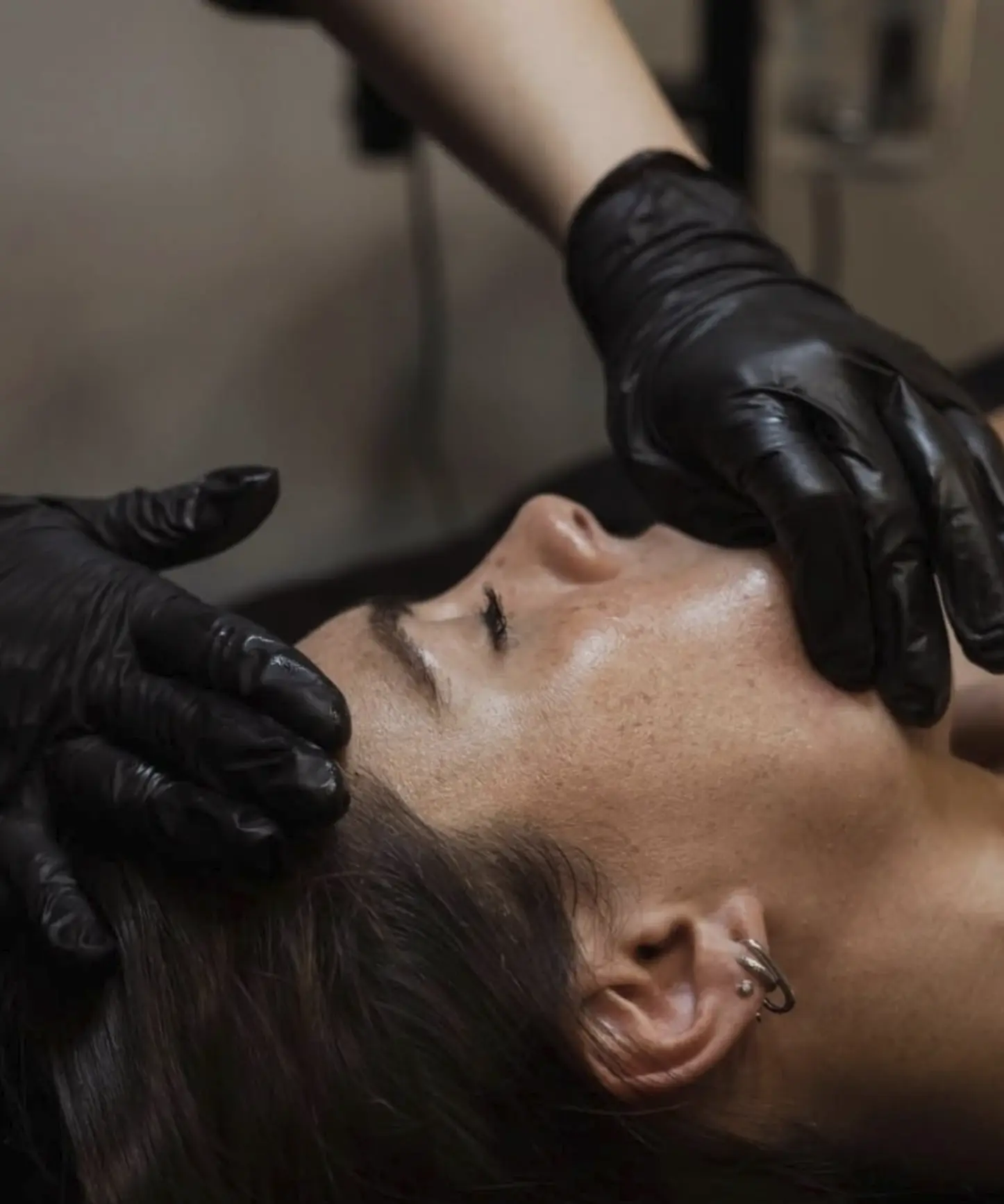
At The Facial Hub, we follow strict hygiene protocols with every intraoral massage. That means medical-grade gloves, professional products, and a proper consultation beforehand – especially if there’s a history of TMJ pain, jaw problems or dental issues.
This is not a treatment you want to try at home, no matter how many YouTube tutorials you’ve watched.
A Real Client Story From The Treatment Room
One client that comes to mind is a woman in her mid-30s, working in a corporate job, with constant jaw tension and a slightly “flat” expression that really bothered her.
She’d never had any fillers, but she’d been dealing with chronic jaw tension for a while. After three sessions with us at The Facial Hub, her face started to change. Her cheek area softened, her expressions became more natural, and her tension headaches started to ease up a lot. It wasn’t a dramatic change, but it was subtle and very noticeable.
What stuck with me was what she said after her treatments: “It feels like my face is mine again.“
The Shift Towards Natural Movement In 2026
I’m seeing a big shift happening right now – a move away from looking overly “sculpted” and towards genuine, natural-looking facial expression and movement.
According to reports from 2026’s clean beauty and aesthetic trends:
- 68% of clients now prioritise movement over volume
- There’s a growing interest in non-invasive massage techniques
- It’s not just about doing more – it’s about supporting how your face is meant to move naturally.
Who This Treatment Is Best Suited For
You’ll get the most out of this treatment if you:
- Experience jaw tension or muscle tightness
- Suffer from facial puffiness or fluid retention
- Want to improve your facial symmetry and movement
- Have problems with TMJ-related discomfort
Less likely to benefit if:
- You’ve had recent fillers
- You have active infections or dental problems
Final Thoughts — Is It Worth Trying?
If your face feels stiff, heavy, or just off, this is probably one of the best ways to regain your movement, get your nervous system in check, and get your skin health sorted.
It’s not going to be a magic pill. It’s not going to replace everything else you’ve tried. But it does work – assuming you’re doing it the right way, sticking to a routine, and actually knowing what you’re doing – ie having a solid understanding of the face and how to touch it in a way that counts.
FAQ
Will this stuff really make my face look natural again?
It can definitely help you restore some of that lost softness, get more out of your facial expressions, and reduce that stiff, all-tensed-up look that builds up when you’ve got tension or fluid build-up going on.
How long before I start noticing changes?
Most people notice things are a bit more relaxed after just one session, and over a few treatments, you’ll start to see real improvements.
What does it feel like in the middle of a session?
You might get a bit of pressure in some of the tighter areas, especially around the jaw, but it should always be totally controlled and feel good – if it starts to hurt, that’s not right.
Is it any good for jaw problems?
Yeah, it can help with that. It can help relieve tension in your jaw and generally make life a bit more comfortable. Of course, though, if you’re dealing with ongoing issues, you’ll still need to see a healthcare pro to get those sorted out.
How often should you be booking these sessions, then?
First off, every couple of weeks, and then monthly for maintenance, if you want to keep things in balance and your muscles and face all in working order.