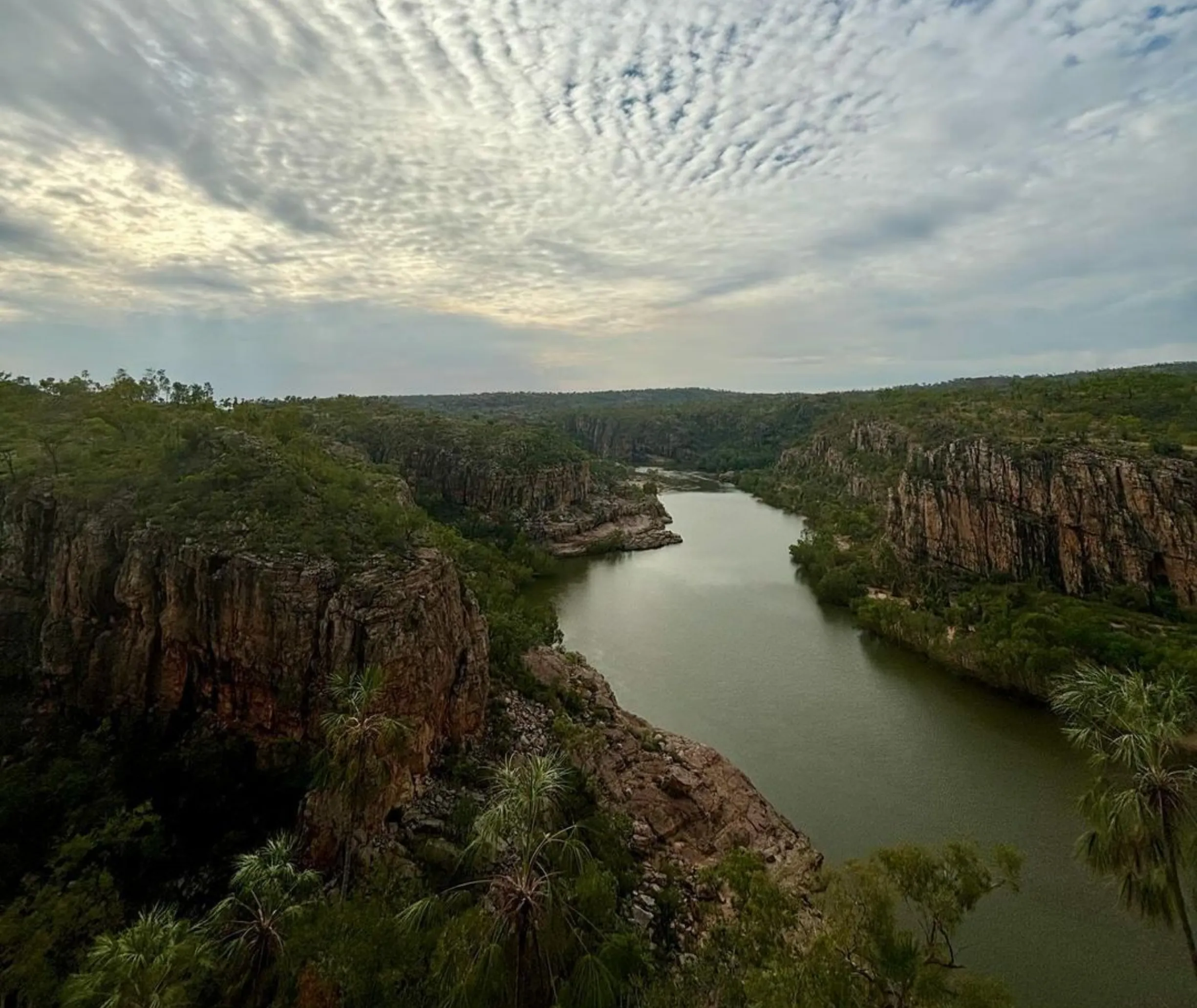
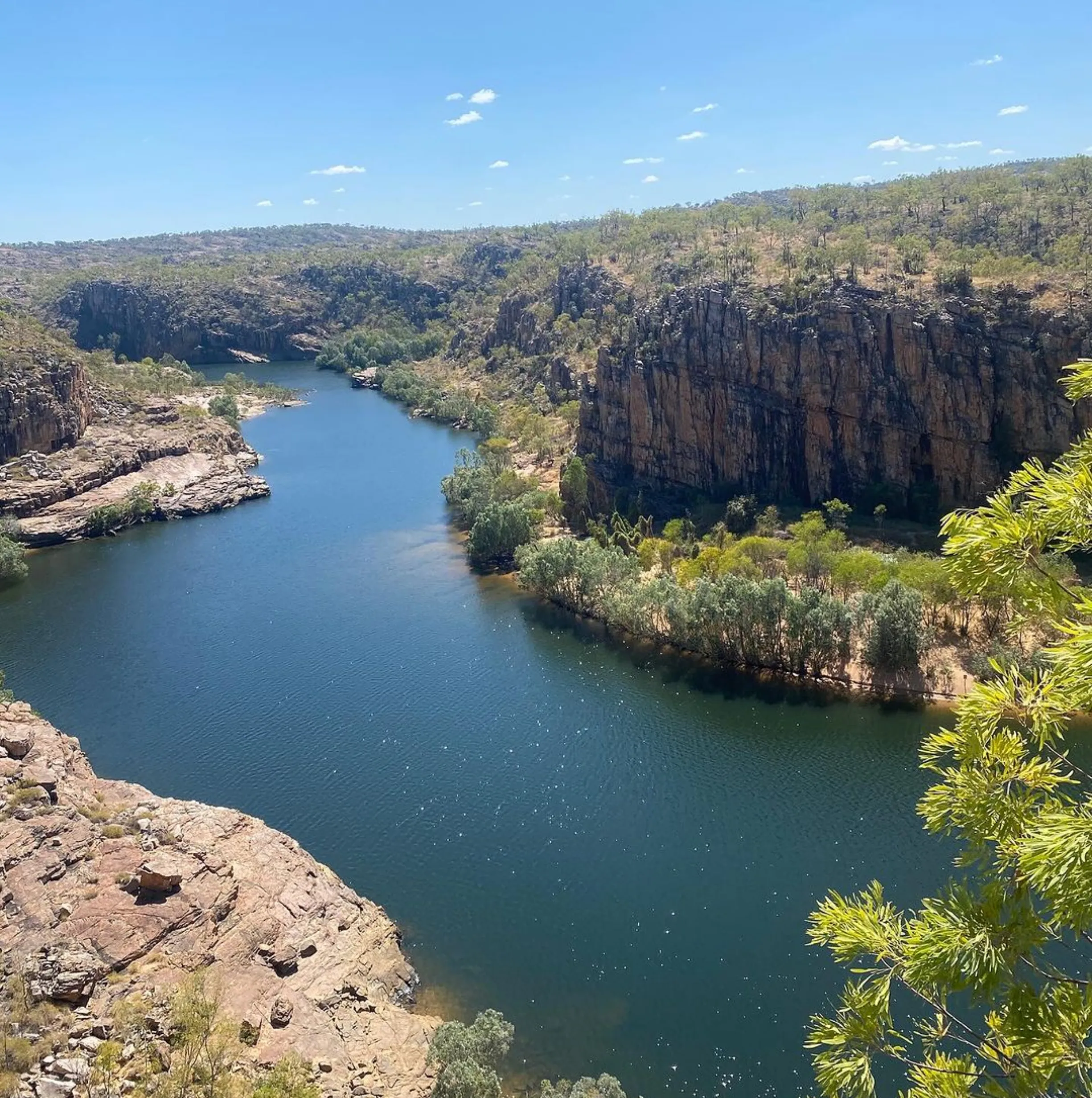
Katherine Gorge, located in Nitmiluk National Park in the Northern Territory of Australia, is a series of 13 sandstone gorges carved by the Katherine River. This deep gorge surrounded by steep cliffs and lush vegetation attracts thousands of visitors every year. Tourists are drawn to its stunning views, deep canyons, Aboriginal cultural experiences and outdoor adventures like boat cruises, kayaking, scenic flights and hiking. Nearby places like Edith Falls, Litchfield National Park and Kakadu National Park make this region a perfect road trip.
For a curated experience, a Katherine Gorge tour is the perfect opportunity to learn about the area’s geology and cultural history firsthand.
Contents
The Formation
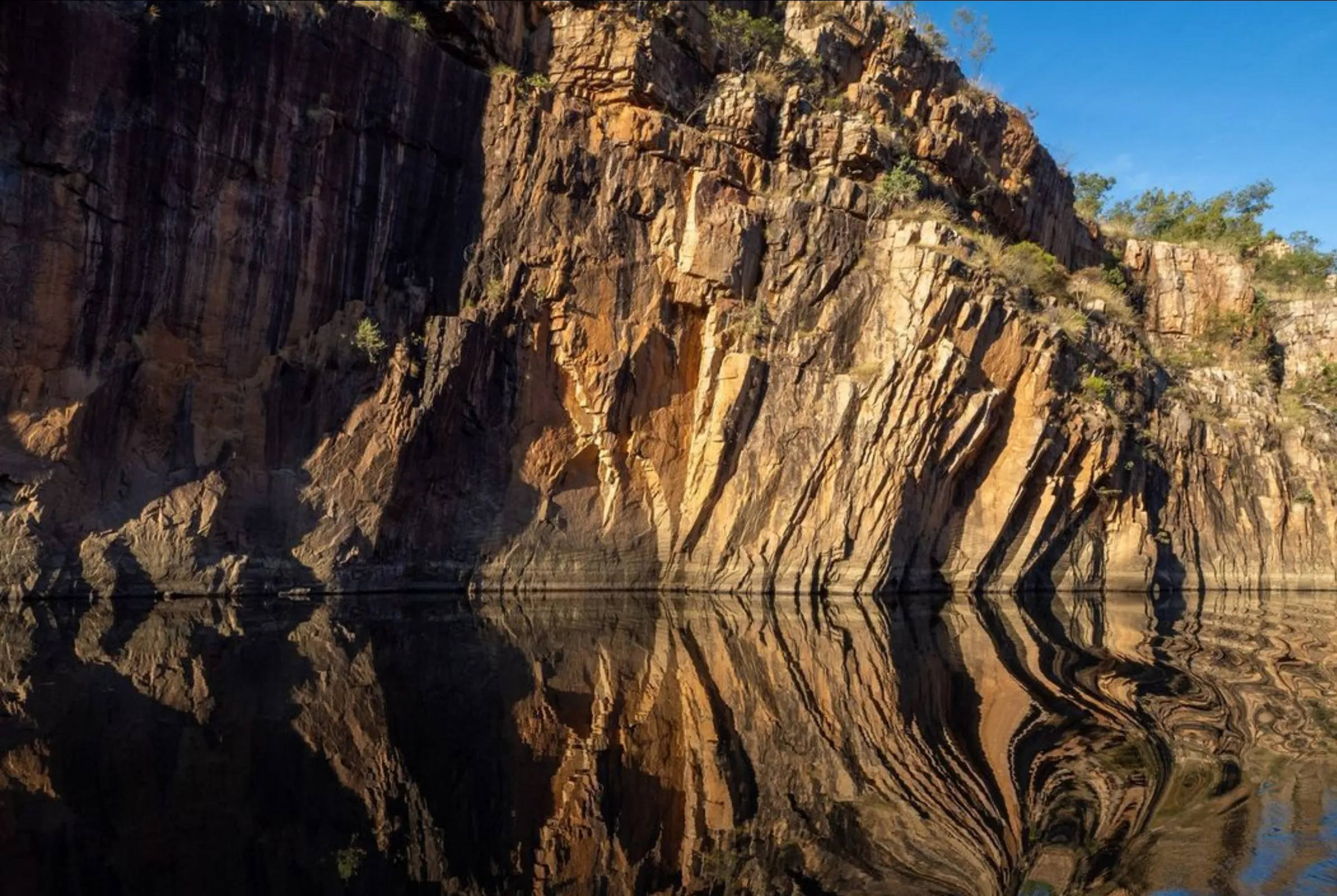
Katherine Gorge was formed over 1.6 billion years ago when much of the region was underwater. Over time layers of sandstone and other sedimentary rock types were deposited on the sea floor. These layers compacted and hardened to form the ancient rock structures we see today, including some volcanic rocks that can be found in the region. These foundation rock types show both the dynamic geological history and the diversity of landforms in Australia’s Top End.
Millions of years of tectonic activity lifted the land, creating tectonic landforms and changing river patterns. The Katherine River began to cut through the sandstone and created the initial channels. Erosion over millions of years, especially during the wet season and heavy rainfall of the wet season, deepened these cuts into the series of deep canyons we see today as Katherine Gorge.
Water and Time
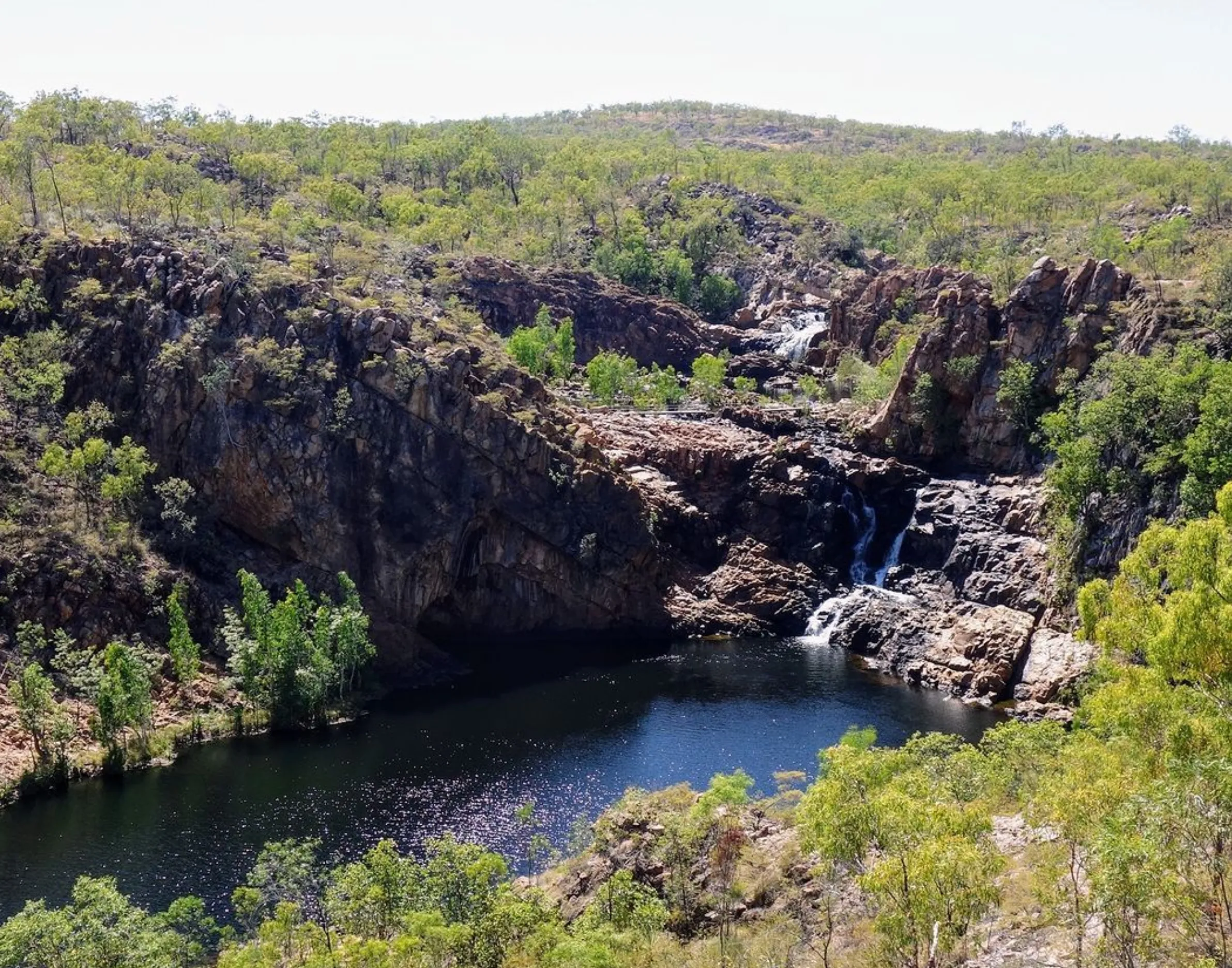
The Katherine River has sculpted the gorge’s landscape. In the wet season when the rainfall is heavy and consistent the river swells and erodes the rock faster. The floods carry away the sediment and expose new rock layers, widening and deepening the gorge. In the dry season the water is calm and the rock pools and trails are ideal for exploration. There is a moderate use of rare or sophisticated words. There is a moderate use of rare or sophisticated words. The text has a moderate Gunning Fog Index, suggesting it is accessible to individuals with a high school education level. This ongoing water erosion has created both coastal and inland landforms and structures that are still evolving. The deep gorge is a classroom with a high rate of return for researchers and provides a window into ancient landscapes, erosion cycles and natural weathering. Over time this constant interaction between rock and water is a living record of the Earth’s geological history.
Cultural and Natural Significance
Katherine Gorge is on Jawoyn land and the Jawoyn people have a deep spiritual connection to this area. According to Jawoyn Dreamtime stories, ancestral beings carved the gorge and their legacy lives on in the rock formations, cultural sites and Indigenous street art throughout the landscape. These artworks and sacred spaces give insight into the history, traditions and beliefs of the region’s Indigenous people.
The biodiversity in the gorge is just as impressive. There’s diverse plant life with hundreds of unique plant species adapted to the wet and dry seasons. Wildlife sightings include agile wallabies, water monitors and over 200 bird species. Freshwater crocodiles are common and saltwater crocodiles may appear in the gorge during the wet season. The presence of these apex predators adds to the sense of wilderness and natural beauty.
Tours, Trails & Tips
You can experience Katherine Gorge in many ways, from relaxing to adventurous. Here are a few highlights:
- Katherine Gorge tour from Darwin: Full day or multi-day guided tours with commentary and cultural insights
- Nitmiluk tours: Canoe rentals, Aboriginal-led cultural experiences and overnight stays in the national park
- Katherine Gorge boat cruises: Cruise between the gorges, see wildlife and photograph the cliff faces up close
- Scenic helicopter flights: See the deep canyons and plant-covered plateaus of Nitmiluk National Park from the air
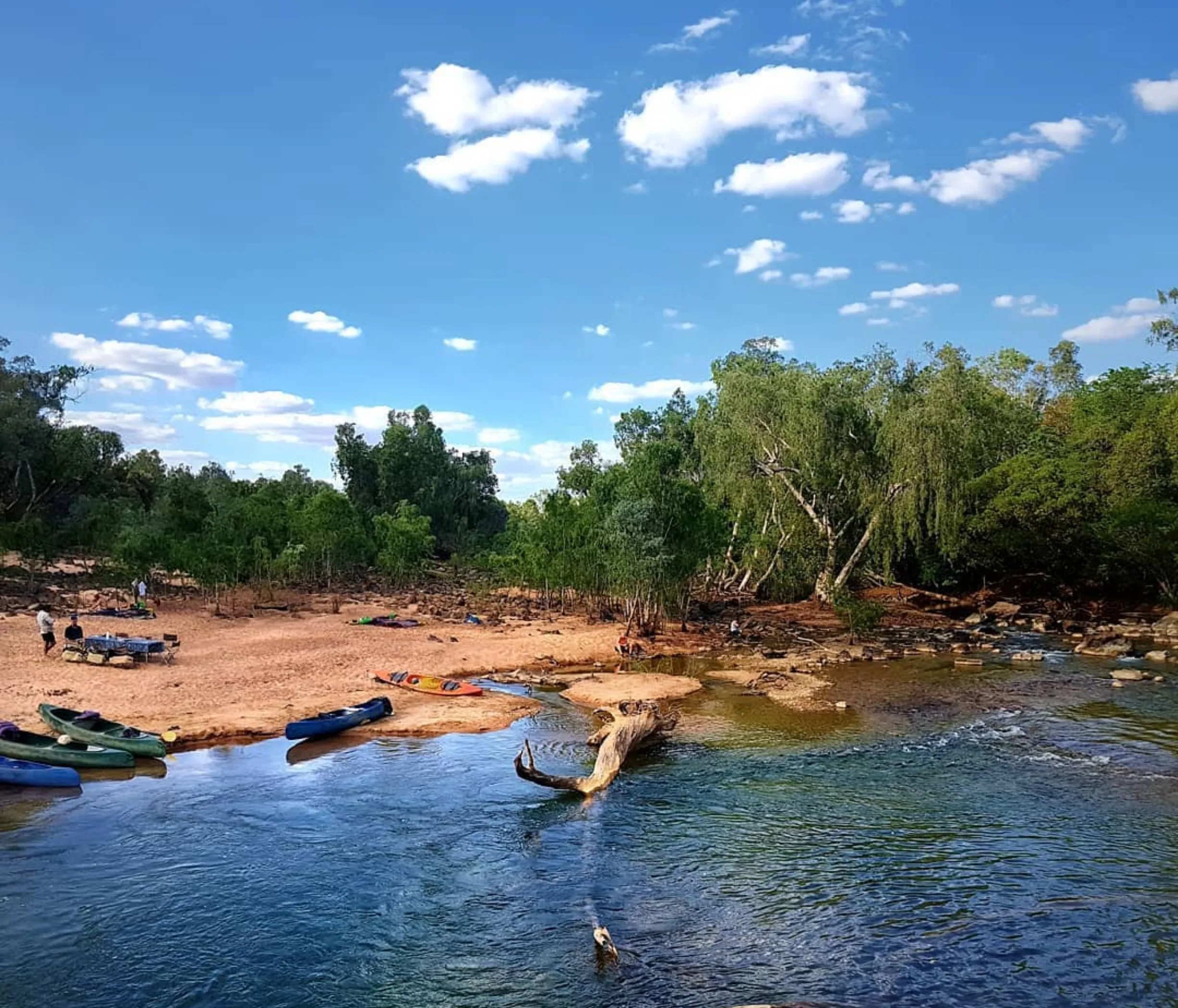
For a broader Northern Territory experience consider combining your visit with a Wildlife Tours adventure that includes other nearby natural attractions and Indigenous culture. Their itineraries often link Katherine with other major national parks and cultural landmarks in the region.
If you’re planning a longer itinerary, Katherine tours from Darwin are a great way to see the region’s highlights with expert guidance and logistical ease. These trips often include hiking, swimming and Indigenous community engagement.
With so much to see and learn, Katherine Gorge tours are not only educational but also inspiring. They allow you to connect with the natural world and the cultural stories that make this place so special.
Whether you want to relax, learn or adventure, Katherine Gorge has it all – natural history, cultural richness and wild beauty – all shaped over billions of years and preserved in one of Australia’s most iconic national parks.
FAQ
How old is Katherine Gorge?
The rock is 1.6 billion years old but the gorges were carved out much more recently by the Katherine River through erosion.
What type of rock is Katherine Gorge made from?
Sandstone, a sedimentary rock and occasional volcanic rock from inland sea deposits and tectonic activity.
How did the Katherine River form the gorge?
Millions of years of erosion, especially during the wet season and rainy season floods, have carved through the rock to create deep canyons and gorges.
Are there any Aboriginal stories about the formation of the gorge?
Yes, the Jawoyn people, the traditional owners of the land, have Dreamtime stories that say the gorge was formed by ancestral beings who shaped the land.
Can you see the layers of sandstone in the gorge walls?
Yes. The stratified layers are visible in the cliff faces, ancient rock art and erosion. You can also see different plant species and freshwater crocodiles basking on the banks.