Katherine Gorge, in the heart of Nitmiluk National Park in the Northern Territory of Australia, is a natural wonder and a geological marvel. The gorge is carved through ancient rock formations that tell a story over a billion years old. But what kind of rock is this dramatic landscape made of?
Contents
The Main Rock: Sandstone
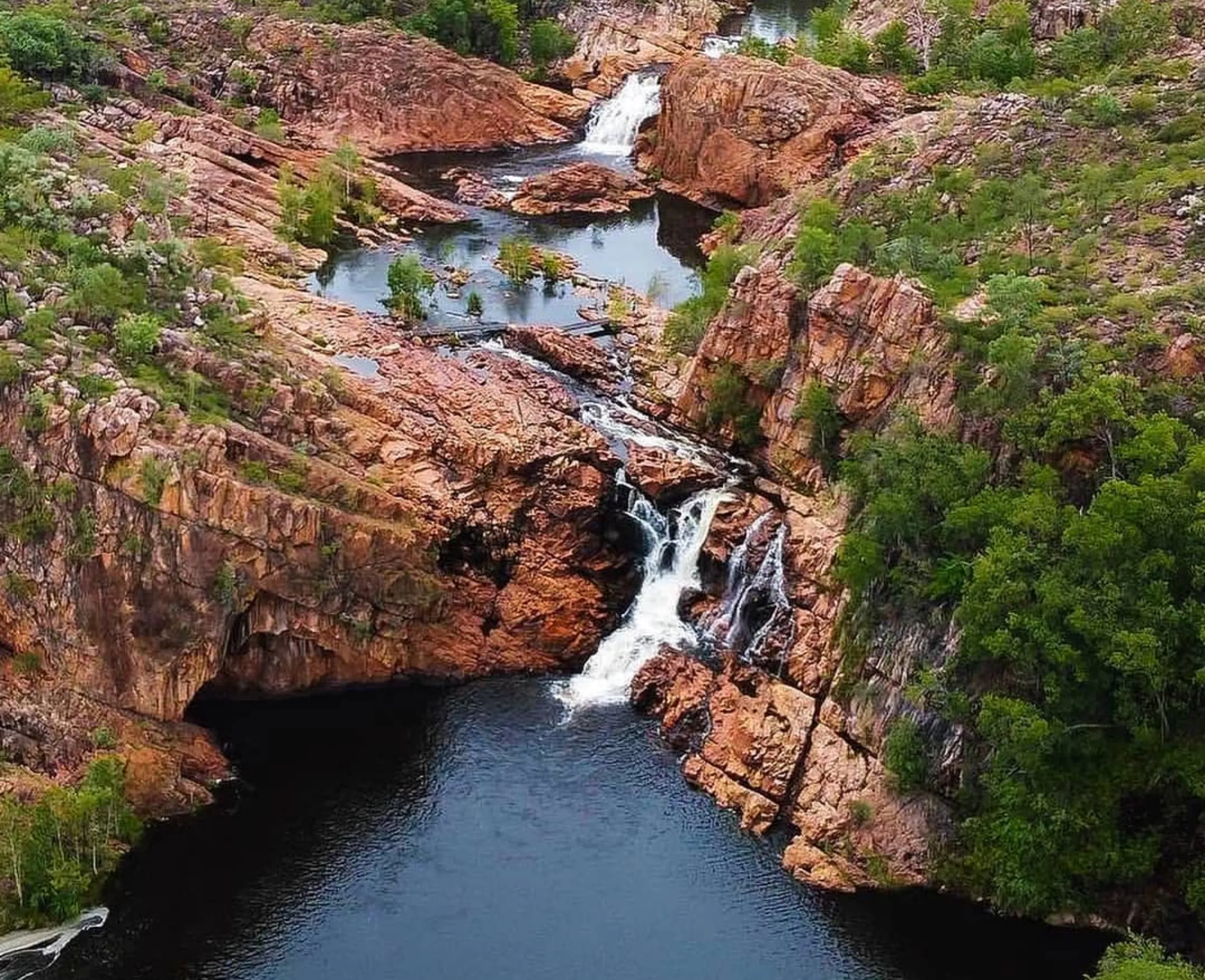
The main rock type in Katherine Gorge is sedimentary sandstone, specifically Kombolgie sandstone. This type of rock is part of the Arnhem Land Plateau and is 1.6 billion years old from the Proterozoic era.
Kombolgie sandstone is red due to high iron oxide content. It forms sheer cliffs and escarpments that rise steeply along the gorge, creating the visual spectacle you see today. These sandstone walls are part of sandstone country, broad valleys, deep canyons and amazing escarpments.
This ancient sandstone is layered with sedimentary deposits that show the deep-time geological history of Australia. The rugged landscape is a contrast of textures and colours, a must-see for geology and nature lovers. Book a Katherine Gorge tour to see it up close.
How the Gorge Was Formed
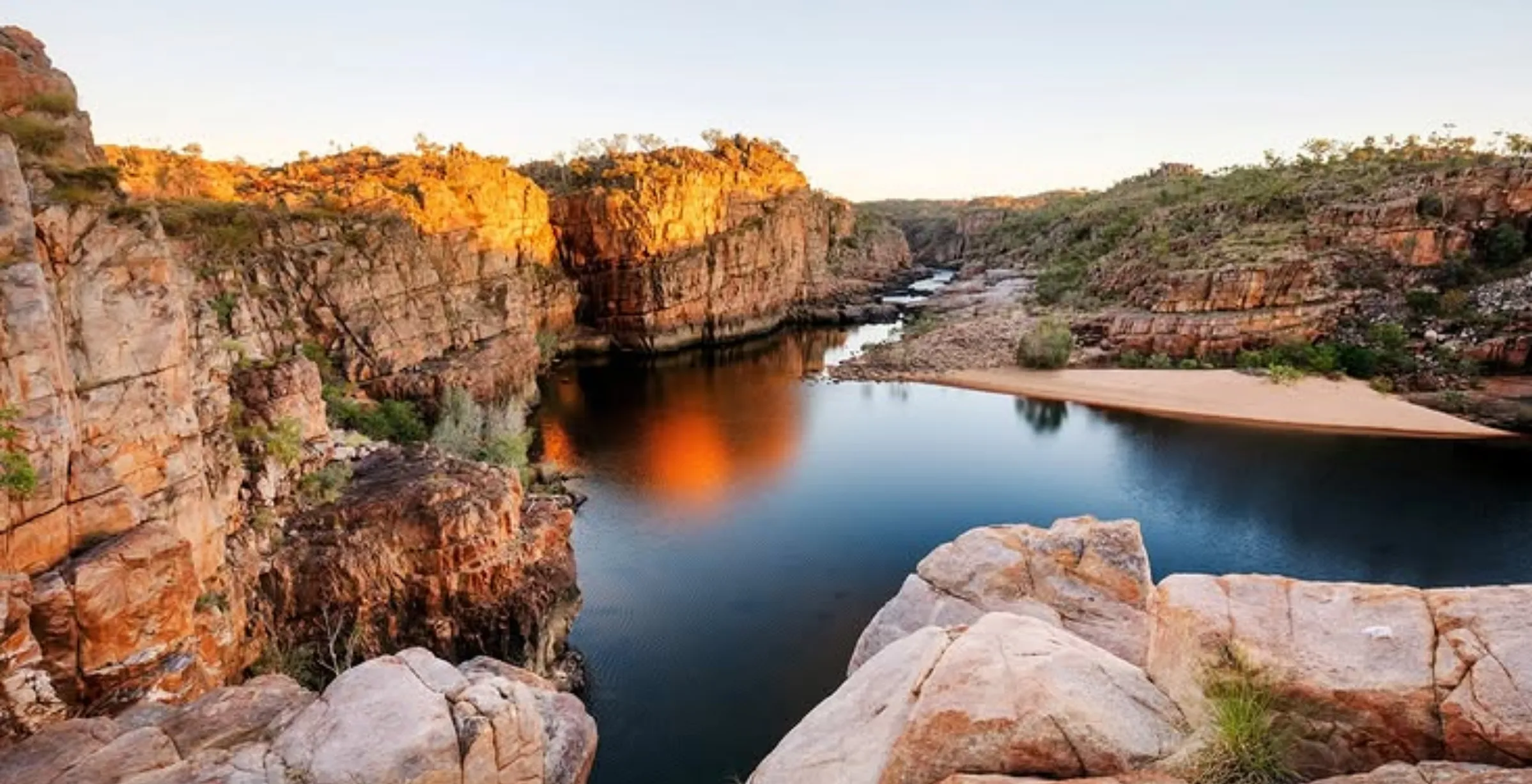
Millions of years ago, the Katherine River was cutting through the Kombolgie sandstone, creating the 13 gorges we see today. Seasonal changes play a big part in the gorge’s evolution. In the wet season the water is high and erosion is fast, in the dry season the water is low and hidden features like rock pools, hidden rock pools and swimming holes are exposed.
This dynamic environment is changing every year, revealing more of the gorge’s story written in stone. The formation of the deep gorge and cliff-lined valleys has created a dramatic and fragile landscape. Many Katherine Gorge tours highlight the natural history and explain how the gorge has evolved.
Geological and Cultural Significance
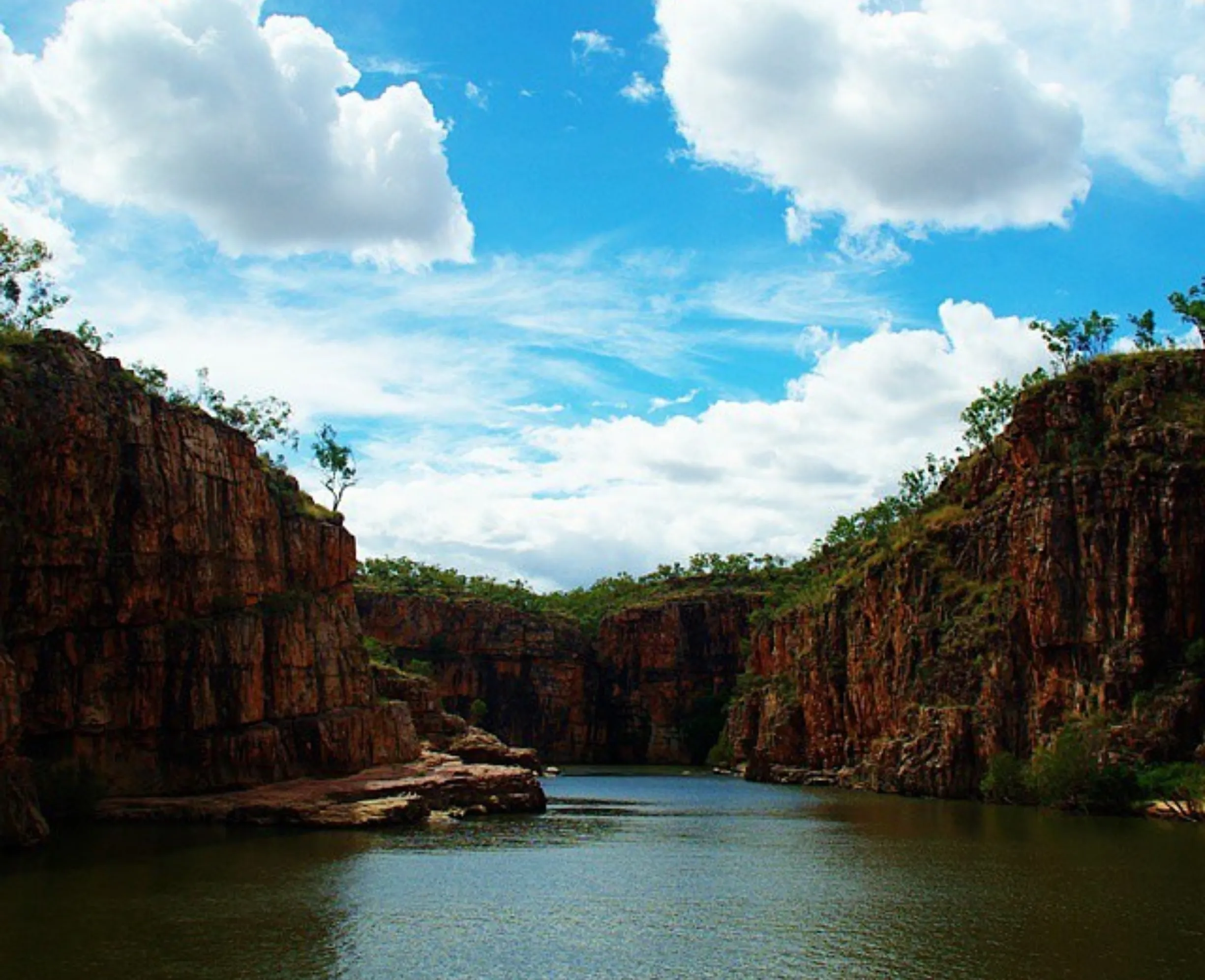
The Kombolgie sandstone is resilient and can withstand weathering, showing a cross-section of Australia’s ancient life. In some areas this sandstone overlays ancient volcanic rocks, adding more geological interest. And beyond the science, Katherine Gorge is part of the Jawoyn people’s cultural history, the traditional owners of Nitmiluk National Park. The area has rock art galleries on cliff faces telling stories passed down through the generations.
Many tours explain the Aboriginal connection to this special place, geology and Indigenous knowledge.
Tours, Walks & Adventures
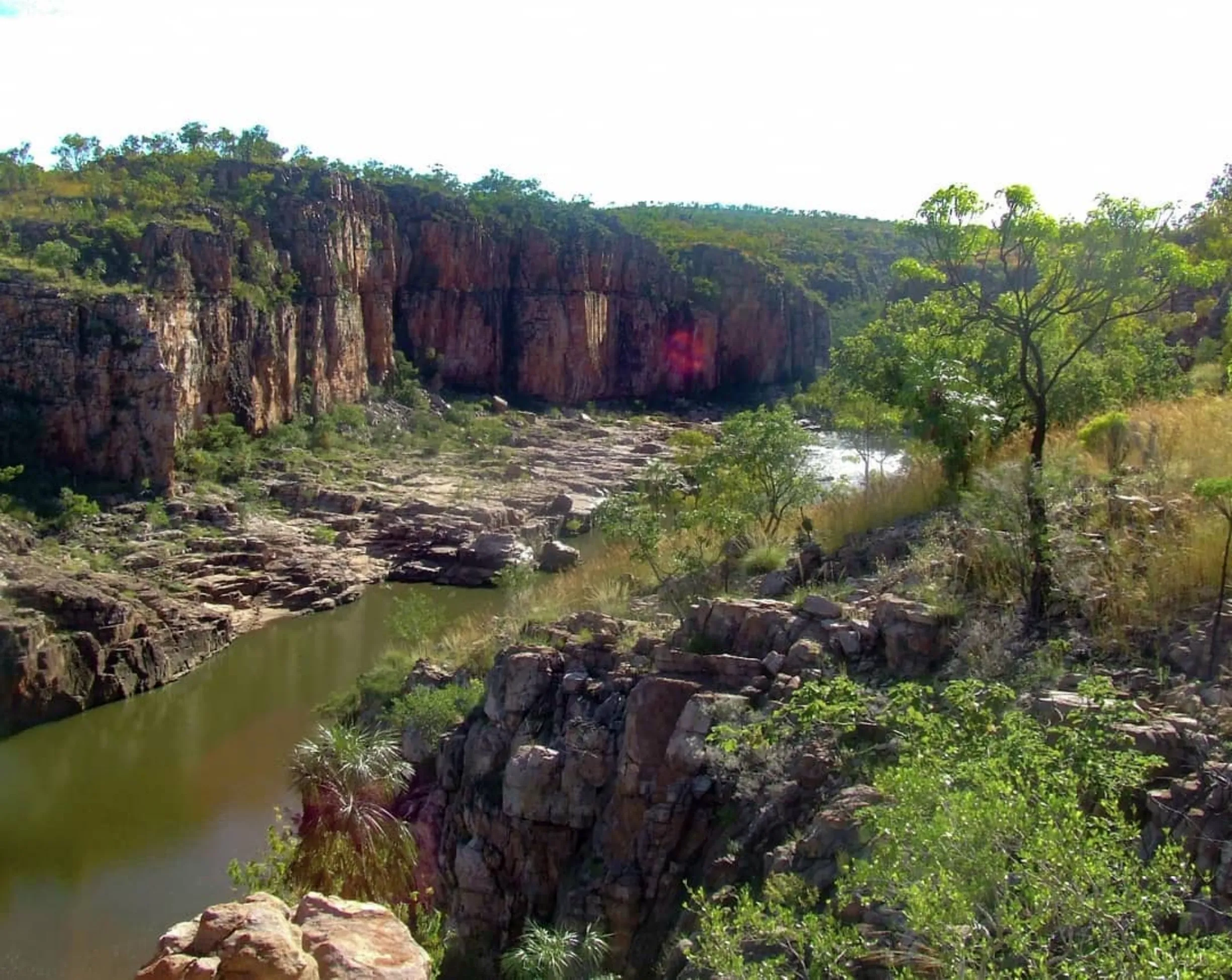
Katherine Gorge has something for all types of travellers. If you want to get off the beaten track on foot, there are walking trails, overnight hikes, challenging tracks and mountain biking trails that wind through sandstone country and bushland.
If you’re staying for a couple of days you can camp at one of the designated camping spots with camp kitchens and camp chairs to relax after a big day. For relaxed sightseeing opt for boat tours, a cruise boat or sunset dinner cruises to take in the gorge’s stunning scenery and birdlife.
Adventure seekers might take to the skies with scenic flights or a helicopter flight and get panoramic views of the gorge, its many bends and the deep canyon it has carved. Whether it’s your first time or a return visit, every season has something for all levels of fitness and interest, from moderate-level walks to relaxing cruises.
The visitor centre is the first stop for local maps, safety updates and booking information. You’ll also find information on optional experiences, local history and unique fauna sightings.
Nearby Edith Falls with its cascades and plunge pools or Cutta Cutta Caves with its ancient limestone formations add to the attractions of this Australian town. These attractions combined with Katherine Gorge make for great day trips. Autopia Tours offers a range of curated journeys that showcase the region’s best geological and cultural attractions. If you’re looking for easy access from the Top End you can also consider Darwin to Katherine Gorge tours which provide comfortable transport and guided experiences.
Wildlife and Water Safety
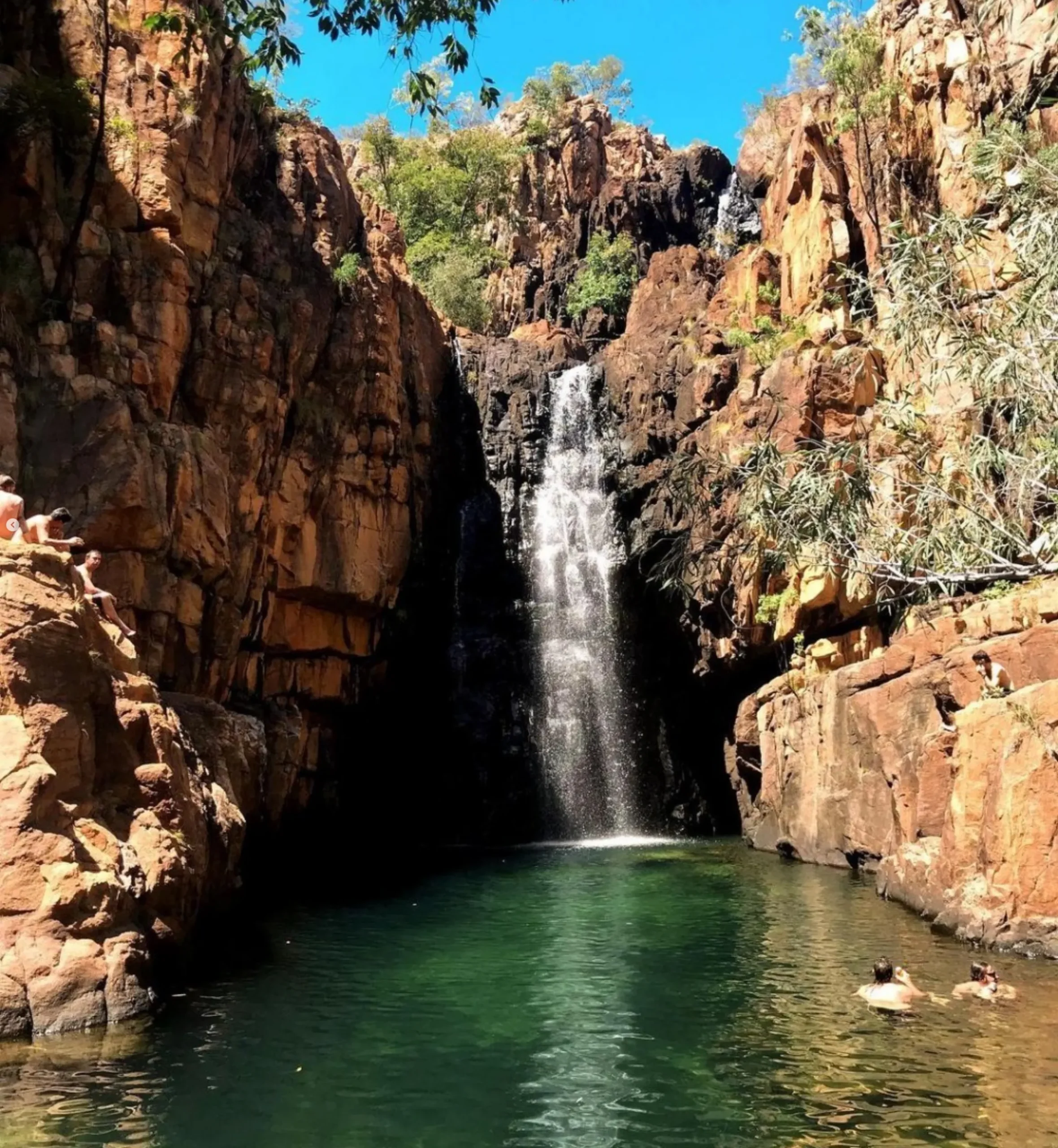
The water in the gorge is home to freshwater crocodiles, especially during the dry season. These crocodiles are shy and not generally dangerous but swimming is only allowed in designated safe zones.
You can cool off in swimming spots and natural rock pools. You might even find a couple of girls taking a break by the riverbanks or a couple of options for relaxing versus more active water experiences.
Whether you’re in for a swim, a hike or a boat cruise there’s something for you here. Booking Katherine Gorge tours from Darwin is also a great way to experience the highlights without the hassle of self-driving.
Your Base: Katherine Town
Katherine is the town closest to Nitmiluk National Park and the largest in the area and is the supply, accommodation and travel hub. It’s a great stop on any Top End road trip.
Whether you’re here for a day or a week Katherine`s tour has everything you need and some local attractions to boot. Many tours start here so you have easy access to the gorge and surrounding attractions.
FAQ
What is Katherine Gorge made of?
Katherine Gorge is made of Kombolgie sandstone, a Proterozoic sedimentary rock 1.6 billion years old.
How was Katherine Gorge formed?
It was formed by the constant erosion of the sandstone by the Katherine River over millions of years, especially during the wet season when the water rises.
Why is the rock red?
The red colour is from iron oxide (rust) in the sandstone, which is what gives the rock its colour and makes the scenery so amazing.
Are there fossils in Katherine Gorge?
Fossils are rare due to the age and type of sandstone, but some sedimentary features suggest ancient life and environments.
What makes Kombolgie sandstone special?
Its age, iron content, durability and looks make it a unique and iconic part of the Northern Territory landscape. It’s part of an amazing landscape full of cultural and natural history.